
Creative 3D Design in Boston, USA: The Ultimate 2025 Guide for Business Success
In the vibrant, innovation-driven ecosystem of Boston, USA, businesses are constantly seeking new ways to capture attention, communicate complex ideas, and forge deeper connections with their audiences. As we navigate 2025, the digital landscape continues to evolve at an unprecedented pace, making conventional marketing and visualization methods less effective. This escalating competitive environment has propelled creative 3D design from a niche artistic skill to an indispensable strategic asset for companies across all sectors. Boston, known for its leading-edge technology firms, world-renowned academic institutions, and thriving startup scene, is experiencing a surging demand for visually compelling, immersive, and interactive experiences that only advanced 3D design can provide. This guide is crafted to serve as your definitive resource, exploring the dynamic world of creative 3D design in Boston, USA, delving into its transformative power, key trends shaping its future, and practical advice on how to leverage it for unparalleled business success. We will illuminate the path to identifying the most adept Boston, USA creative 3D design agencies and demonstrate how compelling visuals can not only elevate your brand but redefine your market presence.
At the forefront of this revolution is UngalDesign, a globally recognized powerhouse delivering cutting-edge creative 3D design in Boston, USA. With a profound understanding of creative strategy and a relentless focus on ROI-driven execution, UngalDesign empowers businesses to transcend traditional boundaries and bring their most ambitious visions to life. Our extensive experience, coupled with an unwavering commitment to client satisfaction, positions us as the ideal partner for any enterprise looking to harness the full potential of three-dimensional visualization.
Ready to elevate your brand with stunning 3D visuals? Contact UngalDesign today for a free consultation and see your ideas take shape!
The Indispensable Role of Creative 3D Design in Boston, USA’s Competitive Landscape
In a market as intellectually charged and fiercely competitive as Boston, USA, where innovation is the currency of success, creative 3D design is no longer merely a luxury or a fleeting aesthetic trend; it has firmly cemented its status as an absolute necessity. It serves as a powerful differentiator, enabling businesses to cut through the noise, articulate their value propositions with unparalleled clarity, and forge memorable experiences that resonate deeply with their target demographics. From meticulously crafted product visualizations that convey every intricate detail and functional nuance to breathtaking architectural renderings that allow stakeholders to walk through future spaces, and from immersive marketing campaigns that captivate audiences to engaging training simulations, 3D design stands as a testament to innovation, capturing attention and communicating complex ideas with remarkable efficacy. It bestows upon businesses a distinct, formidable edge, enabling them to attract discerning customers, secure vital investments, and unequivocally showcase their innovative spirit.
Consider the profound impact 3D design can have on elevating your brand’s narrative and market position. For instance, a nascent real estate development firm in Seaport can leverage photorealistic 3D models and interactive virtual tours to showcase properties long before the first brick is laid, offering prospective buyers an immersive preview that transcends blueprints and static images. This not only accelerates sales cycles but also builds trust and excitement. Similarly, a burgeoning tech startup based in Kendall Square, developing intricate software or hardware, can employ sophisticated 3D animations to demystify complex functionalities, making abstract concepts tangible and engaging for both potential users and venture capitalists. The realm of possibilities unlocked by creative 3D design is virtually boundless, offering a versatile toolkit for problem-solving, storytelling, and market penetration across an astounding array of industries.
Beyond Aesthetics: 3D Design as a Strategic Business Imperative
The strategic value of creative 3D design extends far beyond its visual appeal. It directly contributes to critical business objectives by:
- Enhancing Comprehension and Retention: Visual information is processed by the human brain significantly faster than text. 3D models and animations break down complex information into easily digestible and memorable formats, improving understanding of products, services, or concepts.
- Driving Emotional Connection: Immersive 3D experiences evoke emotions, building stronger connections between consumers and brands. A realistic product rendering can create desire, while an architectural walkthrough can inspire awe.
- Accelerating Decision-Making: By providing a clear, comprehensive, and interactive view of a product or space, 3D design empowers customers to make informed decisions more quickly and confidently, reducing buyer’s remorse and increasing conversion rates.
- Fostering Innovation and Iteration: 3D modeling allows for rapid prototyping and iterative design. Companies can visualize, test, and refine designs virtually, saving time and resources that would otherwise be spent on physical mock-ups. This is particularly crucial for Boston’s R&D-heavy industries.
- Expanding Market Reach: High-quality 3D assets are universally understood, transcending language barriers. They can be deployed across various platforms—websites, social media, AR/VR applications, interactive kiosks—to reach a global audience effectively.
Illustrative Sectoral Applications in Boston: Where 3D Design Shines Brightest
Boston’s diverse economy provides fertile ground for creative 3D design, with numerous industries leveraging its capabilities:
Real Estate & Architecture: Visualizing Tomorrow’s Skylines Today
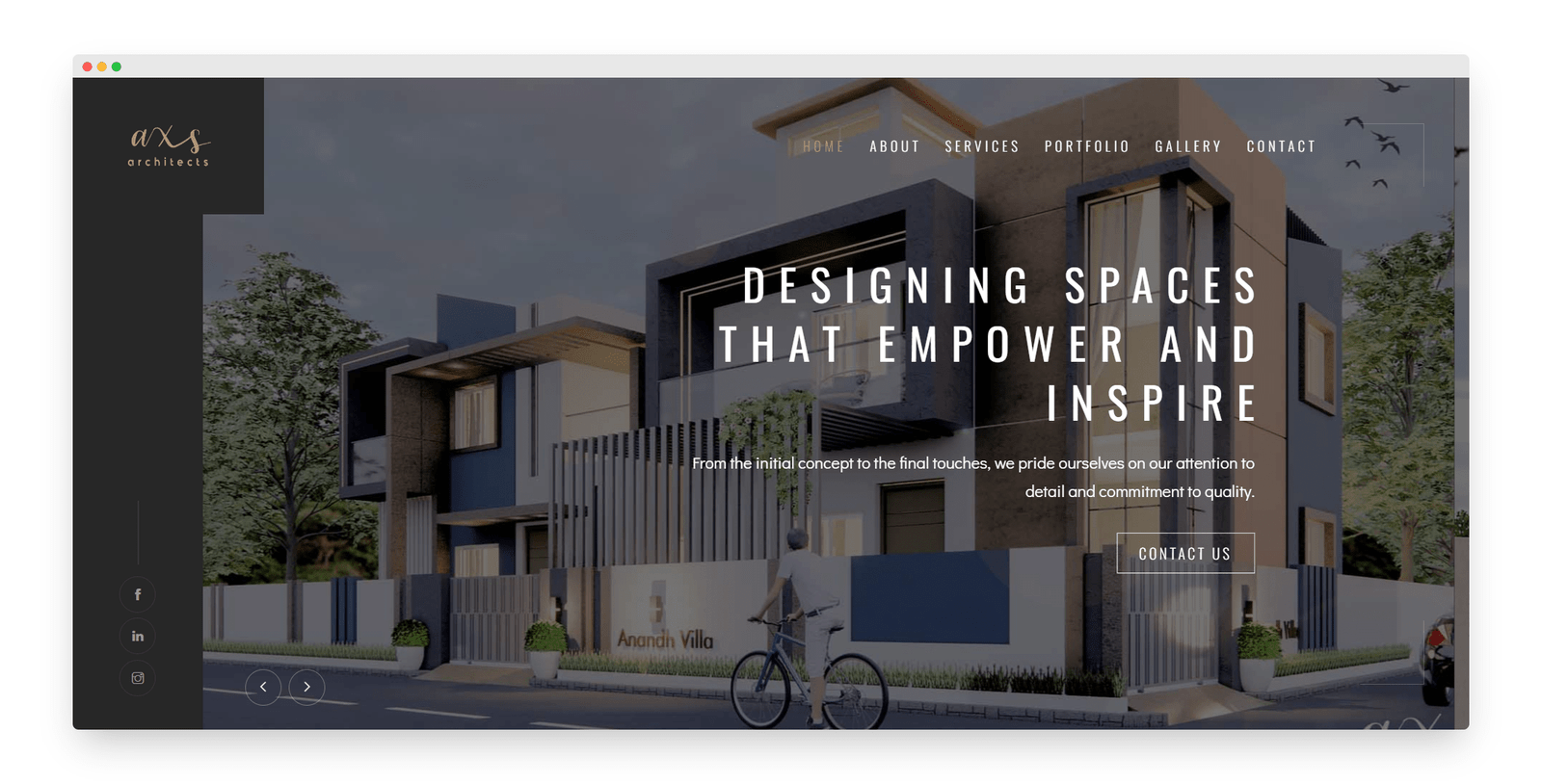
Boston’s booming real estate market, from luxury condos in Back Bay to commercial developments in the Seaport District, thrives on visualization. 3D design is indispensable for:
- Pre-Construction Visualization: Creating photorealistic renderings and animations of unbuilt properties, allowing developers to market and sell units long before completion. This includes exterior views, interior designs, and even drone-style fly-throughs.
- Virtual Tours and Walkthroughs: Offering immersive experiences that let prospective buyers or tenants virtually explore properties from anywhere in the world, complete with customizable finishes and furniture.
- Urban Planning & Landscape Architecture: Visualizing large-scale urban development projects, assessing their integration into existing cityscapes, and presenting environmental impacts or aesthetic improvements to stakeholders and the public.
- Interior Design & Staging: Showcasing different design options, furniture layouts, and material palettes without the need for physical staging, allowing clients to visualize their perfect space.
Tech & Innovation: Bringing Digital Concepts to Tangible Reality
As a global hub for technology and innovation, Boston’s tech companies utilize 3D design to:
- Product Prototyping & Design: Developing virtual prototypes of hardware, gadgets, and consumer electronics, allowing for detailed examination, stress testing, and aesthetic refinement before costly physical production.
- Software UI/UX Visualization: Creating 3D interfaces and interactive elements for applications, making complex software more intuitive and engaging for users.
- Investor Presentations: Using compelling 3D animations and interactive models to articulate the functionality and potential of groundbreaking technologies to potential investors, making abstract concepts concrete and exciting.
- Data Visualization: Transforming complex datasets into easily understandable and interactive 3D graphs and models, revealing patterns and insights that static charts cannot.
Manufacturing & Product Development: Precision and Perfection
From advanced robotics to specialized medical devices, Boston’s manufacturing sector relies on 3D design for precision and efficiency:
- CAD (Computer-Aided Design) & CAM (Computer-Aided Manufacturing): The foundational use of 3D modeling for designing and engineering parts, assemblies, and entire products, ensuring accuracy and manufacturability.
- Rapid Prototyping: Utilizing 3D models for additive manufacturing (3D printing) to create quick, functional prototypes for testing and validation.
- Marketing & Sales Visuals: Generating high-fidelity product renderings and animations for catalogs, websites, and advertisements, showcasing products from every angle with perfect lighting and materials.
- Exploded Views & Assembly Instructions: Creating clear 3D diagrams that simplify complex assembly processes, improving user experience and reducing support inquiries.
Healthcare & Biotech: Advancing Medical Understanding
Boston is a global leader in healthcare and biotechnology. 3D design applications here are life-changing:
- Medical Device Visualization: Developing detailed 3D models of surgical instruments, implants, and diagnostic equipment for regulatory approvals, marketing, and surgical planning.
- Educational & Training Tools: Creating interactive 3D anatomical models and simulations for medical students and practitioners, enhancing learning and surgical preparation.
- Pharmaceutical Marketing: Visualizing the molecular mechanisms of drugs, their interaction with biological systems, and the benefits of new therapies in an engaging and understandable format.
- Surgical Planning & Guidance: Using patient-specific 3D models derived from MRI/CT scans to plan complex surgeries, visualize potential challenges, and improve precision.
Retail & E-commerce: Revolutionizing the Shopping Experience
For retailers, 3D design is a game-changer in capturing consumer interest and driving sales:
- Immersive Product Experiences: Allowing customers to rotate, zoom, and customize products in real-time on e-commerce platforms, replicating the in-store experience online.
- Virtual Try-Ons & Fitment: Utilizing AR to let customers virtually “try on” clothing, glasses, or even furniture in their own homes, reducing returns and increasing satisfaction.
- Virtual Showrooms & Stores: Creating fully explorable 3D environments where customers can browse products, interact with sales assistants, and make purchases, blurring the lines between physical and digital retail.
- Customization Tools: Enabling customers to personalize products (e.g., shoes, jewelry, home decor) in 3D, seeing their custom creations come to life before purchase.
The ubiquity of these applications underscores that creative 3D design is not a niche service but a foundational technology empowering Boston businesses to innovate, communicate, and grow in a visually saturated world.
Don’t let your competition leave you in 2D. Explore UngalDesign’s comprehensive 3D design services and elevate your brand’s presence in Boston and beyond!
Navigating the Ecosystem: Finding the Right Creative 3D Design Agency in Boston, USA
The burgeoning demand for creative 3D design in Boston has led to a proliferation of agencies, each offering a distinct set of skills and specializations. Choosing the right partner from this diverse pool is arguably the most critical decision your business will make on its journey to leverage 3D visualization effectively. A truly impactful Boston, USA creative 3D design agency transcends mere technical proficiency; it serves as an extension of your team, deeply understanding your brand’s ethos, meticulously dissecting your target audience’s preferences, and strategically aligning with your overarching business objectives. This alignment ensures that the generated 3D assets are not just visually stunning but also strategically potent, driving tangible results and delivering a measurable return on investment.
When embarking on this crucial selection process, a thorough vetting is essential. Go beyond surface-level impressions and delve into the agency’s operational philosophy, its creative process, and, most importantly, its proven track record. Scrutinize their portfolio for work that resonates with your industry and desired aesthetic, paying close attention to the quality, detail, and conceptual strength of their past projects. Furthermore, actively seek out and evaluate client testimonials and case studies, as these provide invaluable insights into their collaborative approach, project management capabilities, and, ultimately, their ability to deliver on promises. Ensure that any prospective agency offers a comprehensive and robust range of Boston, USA design services, guaranteeing that all your current and future 3D visualization needs can be met under one expert roof.
What to Look For in a Top-Tier Boston 3D Design Partner
A leading creative 3D design agency in Boston will exhibit several distinguishing characteristics:
- Strategic Acumen: They don’t just execute; they consult. They should be able to offer insights into how 3D design can best serve your business goals.
- Technical Mastery: Proficiency across a wide array of 3D software (e.g., Blender, 3ds Max, Maya, Cinema 4D, ZBrush, SolidWorks, Revit, Unreal Engine, Unity) and rendering engines (e.g., V-Ray, Corona, Octane, Redshift) is non-negotiable.
- Artistic Vision: Beyond technical skills, an agency must possess a strong artistic sense, understanding composition, color theory, lighting, and storytelling.
- Communication & Collaboration: A smooth project flow relies on clear, consistent communication and a willingness to collaborate closely with your team.
- Scalability: The ability to handle projects of varying sizes and complexities, from a single product rendering to a large-scale interactive environment.
- Post-Delivery Support: Discuss what kind of revisions, file formats, and ongoing support they offer after project completion.
Comprehensive Service Offerings: The Full Spectrum of 3D Creativity
A truly versatile Boston, USA creative 3D design agency like UngalDesign should offer a broad suite of services, ensuring all your visualization needs are met. These typically include:
- 3D Modeling: The foundational process of creating three-dimensional digital representations of objects or scenes. This can range from highly detailed organic models (characters, creatures) to precise hard-surface models (products, machinery, architecture), and even parametric modeling for adaptive designs. UngalDesign excels in creating models optimized for various applications, from real-time interactive experiences to photorealistic renderings.
- 3D Rendering: The process of generating a 2D image from a 3D model. This is where artistic vision truly comes to life. Services include photorealistic rendering (making virtual objects indistinguishable from reality), stylized rendering (cartoon, artistic, abstract looks), and technical rendering (exploded views, cutaways). UngalDesign masters lighting, texturing, and camera angles to produce images that tell a compelling story.
- 3D Animation: Bringing 3D models to life through motion. This encompasses a vast range of applications, such as product explainer videos, architectural walkthroughs, character animations for games or marketing, motion graphics with 3D elements, and visual effects for film or commercials. UngalDesign crafts fluid, engaging animations that effectively convey narrative and functionality.
- Product Visualization: Specifically tailored to showcase consumer goods, industrial equipment, or any physical product. This often involves creating highly detailed models, applying realistic materials, and rendering them in various environments or studio setups. UngalDesign helps businesses present their products in the best possible light, highlighting features and benefits to drive sales.
- Architectural Visualization (ArchViz): Dedicated to the architecture, engineering, and construction (AEC) industry. This includes exterior renderings (showing buildings in their environment), interior renderings (designing and lighting internal spaces), landscape visualization, and master planning visuals. UngalDesign’s ArchViz services help architects and developers secure approvals, attract investors, and pre-sell properties.
- Virtual Reality (VR) Experiences: Creating fully immersive 3D environments that users can explore with VR headsets. This is perfect for virtual showrooms, interactive architectural tours, training simulations, and gaming. UngalDesign develops compelling VR content that transports users into new realities.
- Augmented Reality (AR) Applications: Overlaying 3D models onto the real world via smartphone cameras or AR glasses. Ideal for “try before you buy” experiences (e.g., furniture in your living room), interactive product manuals, or engaging marketing activations. UngalDesign designs AR experiences that blend digital and physical seamlessly.
- Interactive 3D Solutions: Developing web-based or standalone applications where users can manipulate 3D models in real-time. This includes product configurators, virtual event spaces, and educational tools, empowering users with agency and enhancing engagement.
- Motion Graphics with 3D Elements: Integrating 3D models and animations into graphic design for dynamic videos, title sequences, and digital advertisements, adding depth and sophistication to visual communication.
UngalDesign delivers creative 3D design in Boston, USA with a unique blend of creative strategy, ROI-driven execution, and global expertise. Our comprehensive approach ensures that every project, from concept to completion, is geared towards maximizing your business impact. We offer a full suite of creative solutions designed to help your business not just survive, but truly thrive in Boston’s competitive digital landscape.
Transform your vision into market-leading reality. Browse UngalDesign’s extensive portfolio of successful 3D design projects today!
E-E-A-T in Agency Selection: Your Guide to Trustworthy Partnership
In the digital age, Google’s E-E-A-T framework (Experience, Expertise, Authoritativeness, Trustworthiness) is paramount for assessing credibility. When selecting a creative 3D design partner, these principles should be your compass:
- Experience: This refers to the agency’s hands-on involvement and practical skill gained over time.
- How long have they been actively operating in the 3D design industry? A longer track record often indicates stability and adaptability.
- What is the breadth and depth of their project history? Have they worked on diverse projects across various industries (e.g., real estate, product, medical, gaming)?
- Can they showcase case studies that demonstrate measurable results and problem-solving for clients similar to yours?
- Do they have experience navigating the specific nuances and requirements of the Boston market?
- Expertise: This focuses on the specialized knowledge and skills within the agency.
- What specific 3D design skills do their team members possess? Are they specialists in modeling, rendering, animation, or interactive experiences?
- What software proficiency do they boast (e.g., industry-standard tools like Maya, 3ds Max, Blender, Unreal Engine, Unity, Substance Painter)?
- Do they demonstrate an understanding of your industry’s technical and aesthetic requirements? For example, architectural accuracy vs. artistic freedom for a game asset.
- Do they offer creative problem-solving capabilities, going beyond mere execution to suggest innovative approaches?
- Authoritativeness: This speaks to the agency’s reputation as a recognized leader and trusted source in the field.
- Are they recognized through industry awards, publications, or speaking engagements?
- Do they have a strong presence in relevant professional communities or forums?
- Are their client testimonials abundant, specific, and genuinely positive, indicating a track record of satisfaction?
- Do they publish thought leadership content (blogs, whitepapers, webinars) that showcases their insights and forward-thinking approach to 3D design?
- Trustworthiness: This relates to the agency’s reliability, integrity, and client satisfaction.
- Do they maintain transparent communication throughout the project lifecycle, providing regular updates and clear explanations?
- What is their approach to project management, timelines, and budget adherence?
- Do they have a strong reputation for ethical practices and client confidentiality?
- What are their client satisfaction rates, and how do they handle feedback and revisions? (UngalDesign’s 87.6% customer satisfaction rate is a key indicator here.)
UngalDesign: Your Partner for Creative 3D Solutions
At UngalDesign, we embody the principles of E-E-A-T. We provide digitally-led, full-service creative 3D design solutions, blending strategy, design, and technology to drive tangible growth for businesses in Boston, USA, and worldwide. Our 87.6% customer satisfaction rate is a testament to our unwavering commitment to excellence and client success. We are proud to have delivered over 1000+ creative 3D design projects in Boston, USA, and globally, consistently earning trust for on-time delivery and exceeding client expectations. Our portfolio spans startups seeking groundbreaking visuals to established enterprises requiring sophisticated, scalable 3D assets. Let us bring your most ambitious ideas to vivid life with stunning 3D visuals that not only impress but also perform.
Ready to discuss your unique 3D design needs with experts who prioritize your success? Get a free consultation from UngalDesign today!
The Horizon of 3D Design: Emerging Trends in Boston, USA for 2025 and Beyond
The field of creative 3D design is in a perpetual state of evolution, driven by relentless technological advancements and shifting consumer expectations. For Boston businesses aiming to maintain a competitive edge and resonate with a tech-savvy audience, staying intimately informed about these emerging trends is not just beneficial—it’s absolutely vital. As we look towards 2025 and beyond, several groundbreaking developments are poised to reshape how we interact with and utilize 3D visuals, opening up unprecedented opportunities for innovation, engagement, and market differentiation.
Interactive 3D Experiences: Beyond Static Imagery, Towards Dynamic Engagement
The era of passive content consumption is rapidly giving way to a demand for dynamic, user-driven experiences. Interactive 3D represents a paradigm shift from static images or pre-rendered animations to real-time, user-controlled exploration of 3D models and environments. This trend is profoundly impacting sectors across Boston:
- Web-Based 3D Viewers: Embedding lightweight 3D models directly onto websites, allowing users to rotate, zoom, and even customize products in their browser without special software. This empowers e-commerce sites to offer richer product experiences, reducing buyer uncertainty and increasing conversion rates. Imagine a furniture retailer in Boston allowing customers to see a sofa from every angle, change its fabric, and place it virtually in their home via AR.
- Product Configurators: Tools that enable customers to personalize products (e.g., cars, shoes, industrial machinery) in 3D, choosing colors, materials, and features, and seeing the changes reflected instantly. This level of customization not only delights customers but also streamlines manufacturing processes by providing precise specifications.
- Virtual Showrooms & Events: Creating fully immersive 3D environments for product launches, art exhibitions, or corporate events. Attendees can navigate these spaces as avatars, interact with 3D displays, and connect with others, offering a scalable and accessible alternative to physical gatherings.
The appeal of interactive 3D lies in its ability to empower the user, transforming them from a passive observer into an active participant, leading to deeper engagement and better comprehension of the product or service being presented.
Augmented Reality (AR) and Virtual Reality (VR) Integration: Immersive Realities Redefined
AR and VR are no longer futuristic concepts; they are rapidly becoming mainstream tools for businesses to create profoundly immersive experiences. Boston’s strong tech and healthcare sectors are particularly poised to capitalize on these technologies:
- Augmented Reality (AR): AR overlays digital information, including 3D models, onto the real world through devices like smartphones, tablets, or smart glasses.
- Practical Applications:
- Retail: Virtual try-ons for apparel, cosmetics, or eyewear; visualizing furniture in one’s living room before purchase.
- Manufacturing & Maintenance: Interactive manuals that overlay 3D instructions onto real machinery, guiding technicians through repair processes.
- Real Estate: Projecting 3D models of proposed buildings onto empty lots or within existing urban landscapes, allowing developers and planners to visualize future impacts.
- Education: Interactive textbooks that bring 3D anatomical models or historical artifacts to life in the classroom.
- Practical Applications:
- Virtual Reality (VR): VR creates a completely simulated environment that users can experience with VR headsets, offering a high degree of immersion.
- Deep Immersion:
- Training Simulations: High-risk industries (e.g., medical, aviation, manufacturing) use VR for realistic training scenarios without real-world dangers.
- Architectural Exploration: Clients can “walk through” and experience unbuilt buildings and interior designs as if they were physically present, making design decisions much easier.
- Virtual Events & Meetings: Creating shared virtual spaces for conferences, product launches, or collaborative work, particularly beneficial for globally dispersed teams.
- Therapy & Rehabilitation: Healthcare providers using VR for pain management, phobia exposure therapy, or physical rehabilitation in controlled, customizable environments.
- Deep Immersion:
The convergence of physical and digital worlds through AR/VR offers unparalleled opportunities for engaging customers, training employees, and refining product designs.
AI-Powered 3D Design: Automation, Optimization, and Unprecedented Innovation
Artificial Intelligence (AI) is set to revolutionize every facet of 3D design, augmenting human creativity and automating laborious tasks. Boston, a hub for AI research, will see rapid adoption of these tools:
- Generative Design: AI algorithms can generate multiple design options based on specified parameters, optimizing for performance, cost, or aesthetics. This drastically speeds up the ideation phase for product designers and architects.
- Automated 3D Modeling & Texturing: AI can assist in creating complex 3D models from 2D images, point clouds, or even simple text prompts. It can also automate the creation of realistic textures and materials, saving significant time for artists.
- AI for Optimization & Personalization: AI can analyze user behavior with 3D content to optimize designs for maximum engagement or performance. It can also personalize 3D experiences in real-time based on individual user preferences, offering truly bespoke interactions.
- AI-driven Animation & Simulation: AI is being used to automate character rigging, generate realistic crowd simulations, and even animate complex physics-based interactions, reducing the manual effort required in animation pipelines.
While AI will undoubtedly streamline workflows, the role of human creativity, strategic thinking, and artistic direction will remain paramount, guiding AI tools to produce truly impactful and meaningful 3D content.
Real-time Rendering & Game Engine Technologies: Speed, Fidelity, and Interactivity
The power of game engines like Unreal Engine and Unity is extending far beyond entertainment, becoming crucial tools for high-fidelity 3D visualization in diverse industries. Boston’s architecture firms, product designers, and filmmakers are increasingly leveraging these engines:
- Instantaneous Visualization: Real-time rendering allows designers to make changes to models, lighting, and materials and see the results instantly, significantly speeding up workflow and iteration cycles.
- Cinematic Quality at Speed: Modern game engines are capable of producing photorealistic visuals comparable to offline renderers, but at a fraction of the time. This enables the creation of high-quality architectural visualizations, product animations, and marketing videos much faster.
- Interactive Presentations: Game engines are the backbone of interactive 3D applications, AR/VR experiences, and virtual showrooms, providing the framework for complex user interactions and dynamic content.
Sustainability in 3D Design: Eco-Conscious Visualization
With a growing global emphasis on sustainability, 3D design plays a crucial role in promoting eco-friendly practices:
- Reduced Physical Prototypes: Virtual prototyping through 3D modeling significantly reduces the need for physical mock-ups, saving material waste, energy, and transportation costs.
- Visualization of Sustainable Materials & Practices: 3D design can effectively showcase the environmental benefits of new green materials or sustainable construction methods, helping businesses communicate their commitment to eco-consciousness.
- Optimized Designs for Efficiency: 3D simulation tools can be used to optimize product designs for energy efficiency, material usage, and recyclability from the initial stages.
Personalization & Customization: Tailoring Experiences to the Individual
The demand for bespoke experiences is growing. 3D design enables businesses to offer highly personalized products and content:
- Mass Customization: 3D configurators allow consumers to design their own products, leading to unique items tailored to individual tastes, from custom-engraved jewelry to personalized car interiors.
- Personalized Marketing Content: AI-driven 3D tools can generate variations of marketing visuals based on user data, ensuring that each individual receives content most relevant and appealing to them.
These trends highlight a future where creative 3D design is not just about creating pretty pictures, but about building intelligent, interactive, and impactful experiences that drive innovation and engagement across Boston’s dynamic business landscape. Partnering with an agency that is abreast of these trends and capable of implementing them is crucial for long-term success.
Stay ahead of the curve. Read UngalDesign’s latest insights on 3D design trends and how they can benefit your Boston business!
A Deep Dive into UngalDesign’s Comprehensive Creative Solutions
At UngalDesign, we firmly believe that true innovation in the realm of creative 3D design stems from a holistic approach that seamlessly integrates strategic thinking, artistic prowess, and cutting-edge technology. For businesses in Boston, USA, navigating a landscape characterized by rapid digital transformation and intense competition, a partner that offers more than just execution is essential. UngalDesign is precisely that partner. Our methodology is meticulously crafted to deliver not just visually stunning 3D assets, but comprehensive creative solutions that are intrinsically tied to your business objectives, ensuring a measurable return on your investment.
Our Philosophy: Blending Strategy, Design, and Technology for Unparalleled Results
Our core philosophy revolves around a three-pronged approach:
- Strategic Foundation: Every 3D design project at UngalDesign begins with a deep dive into your business strategy. We seek to understand your market position, target audience, competitive landscape, and, most importantly, your specific goals. Is it lead generation, brand awareness, product launch, or investor relations? This strategic clarity ensures that every pixel and every animation frame is purposefully designed to achieve your desired outcome. We don’t just ask what you want to visualize; we ask what you want to achieve with that visualization.
- Exceptional Design: Our team of highly skilled 3D artists and designers possesses a rare blend of technical mastery and artistic sensibility. They are adept at transforming abstract concepts into tangible, captivating visuals. We pay meticulous attention to detail, from realistic texturing and dynamic lighting to fluid animation and intuitive interactivity. Our design philosophy prioritizes clarity, impact, and aesthetic appeal, ensuring your 3D assets are not only functional but also unforgettable.
- Cutting-Edge Technology: We continuously invest in the latest 3D software, rendering engines, and hardware. This commitment to technological advancement enables us to push the boundaries of what’s possible, delivering photorealistic quality, real-time interactive experiences, and optimized performance for all platforms. Our expertise extends to AR/VR development, AI-assisted design workflows, and game engine integration, ensuring your projects are always at the forefront of innovation.
This integrated approach ensures that our creative 3D design solutions are not just visually appealing but are strategic assets designed to drive growth, enhance brand perception, and deliver a tangible ROI for businesses in Boston and across the globe.
UngalDesign’s Core Creative Services: Empowering Your Brand Across All Channels
While our expertise in creative 3D design is a cornerstone, UngalDesign offers a holistic suite of creative services, many of which are significantly enhanced by our 3D capabilities. This synergy ensures consistent branding and maximum impact across all your marketing and operational channels.
- Digital Marketing: Our 3D visuals are instrumental in crafting high-impact digital marketing campaigns. High-quality 3D product renderings, animated explainers, and interactive web experiences significantly boost click-through rates, increase engagement on landing pages, and improve conversion funnels. We integrate 3D content into email campaigns, banner ads, and content marketing strategies to create more memorable and persuasive messages.
- Graphic Design: 3D elements add depth, sophistication, and a modern edge to traditional graphic design. We incorporate 3D models into logos, branding materials, brochures, presentations, and infographics, creating visually richer and more dynamic designs that stand out in Boston’s crowded market. Imagine a logo that subtly incorporates a 3D effect or a marketing collateral that features a striking 3D product illustration.
- Video Production: 3D animation is a core component of our video production services. We produce compelling 3D animated explainer videos, cinematic product launch videos, architectural walkthroughs, and complex motion graphics that integrate seamlessly with live-action footage or stand alone as powerful visual narratives. Our 3D capabilities allow us to visualize concepts that would be impossible or cost-prohibitive to film in reality.
- Social Media: In an age dominated by visual content, engaging 3D assets are a powerful tool for social media success. We create captivating 3D animations, interactive AR filters for platforms like Instagram and Snapchat, and dynamic 3D visualizers that capture attention, drive shares, and foster community engagement for Boston brands.
- SEO (Search Engine Optimization): While 3D content itself isn’t directly indexed as text, high-quality, engaging 3D visuals significantly improve key SEO metrics. Rich media like interactive 3D models and videos increase dwell time on your website, reduce bounce rates, and generate positive user signals that Google rewards. Furthermore, 3D content often leads to more natural backlinks and social shares, further boosting your search rankings. We optimize 3D assets for fast loading times to ensure they don’t negatively impact page speed.
- Ads Management: Compelling 3D visuals are critical for creating high-performing ad creatives across various platforms. We design static 3D renderings and dynamic 3D animated ads that grab attention, convey product benefits instantly, and significantly improve ad performance, leading to higher conversion rates and lower cost-per-acquisition for your Boston-focused campaigns.
- Web/App Development: Our expertise extends to integrating interactive 3D elements seamlessly into websites and mobile applications. This includes developing custom 3D configurators, virtual showrooms, AR features within apps, and ensuring that these immersive experiences are optimized for performance, responsiveness, and cross-device compatibility. We prioritize lightweight, efficient 3D models and code for smooth user experiences.
- UI/UX Design: We apply 3D principles to create intuitive and immersive user interfaces and experiences. This can involve designing 3D icons, interactive dashboards with 3D data visualizations, or crafting entire user journeys within virtual environments, enhancing usability and user satisfaction. Our UI/UX team ensures that the 3D elements enhance, rather than detract from, the user’s interaction.
- Cybersecurity: While not directly a 3D design service, our commitment to cybersecurity ensures that all 3D assets and interactive applications we develop are secure, protected from vulnerabilities, and compliant with data privacy regulations. For specific applications, we can also create compelling 3D visualizations to explain complex cybersecurity threats, network architectures, or data flow visualizations for security presentations and training within Boston’s sensitive industries. This helps businesses understand abstract security concepts in a more concrete, visual manner.
- Testing: Rigorous testing is integral to all our projects. For 3D design, this means testing the functionality and performance of interactive 3D models across various devices and browsers, ensuring visual fidelity and responsiveness in AR/VR applications, and conducting user experience (UX) testing for immersive environments. We ensure your 3D assets are flawless before deployment.
Our Proven Track Record: A Legacy of Excellence in 3D Design
UngalDesign’s reputation is built on a foundation of tangible results and client trust. We’ve delivered over 1000+ creative 3D design projects, not just for clients in Boston, USA, but for diverse businesses across the globe. This extensive experience has honed our processes, expanded our expertise, and solidified our ability to tackle projects of any scale and complexity. Our 87.6% customer satisfaction rate is a proud indicator of our client-centric approach, emphasizing open communication, collaborative workflows, and an unwavering commitment to exceeding expectations. Whether you are a dynamic startup in Boston looking to make a splash or an established enterprise seeking to innovate your visual communication, UngalDesign is trusted for on-time delivery, exceptional quality, and impactful results. Let us apply our global expertise and proven success to bring your unique ideas to life with stunning 3D visuals that drive your business forward.
Experience the UngalDesign difference. Contact us today for a personalized consultation and let’s craft your next 3D success story!
Maximizing Your Investment: The ROI of Creative 3D Design with UngalDesign
Investing in creative 3D design is not merely an expenditure; it is a strategic investment that yields substantial and quantifiable returns across various facets of your business operations. For Boston enterprises, operating in a highly competitive and discerning market, the ability to articulate value, differentiate offerings, and engage audiences at a deeper level translates directly into enhanced profitability and sustainable growth. Partnering with a proficient Boston, USA creative 3D design agency like UngalDesign ensures that your investment is not only visually spectacular but also strategically sound, engineered to deliver a robust return on investment (ROI).
Here’s how creative 3D design, particularly through UngalDesign’s expert execution, translates into tangible business value:
Enhanced Brand Perception and Trust
- Professionalism & Innovation: High-quality 3D visuals instantly signal professionalism, innovation, and a forward-thinking approach. Brands that invest in cutting-edge 3D presentation are perceived as leaders in their respective fields.
- Credibility & Trust: Photorealistic product visualizations and architectural renderings build trust by offering transparency and accuracy. Customers gain confidence when they can clearly see and interact with a product or space before committing.
- Memorability: Unique and engaging 3D experiences create lasting impressions, making your brand more memorable and fostering stronger brand recall among your target audience in Boston.
Increased Customer Engagement and Conversion
- Captivating Visuals: 3D models and animations are inherently more engaging than static 2D images or text. They capture attention and hold it longer, increasing user interaction with your content.
- Clearer Product Understanding: Interactive 3D allows customers to explore products from every angle, customize options, and even place them in their own environment via AR. This comprehensive understanding reduces ambiguity, answers pre-purchase questions, and significantly boosts conversion rates.
- Reduced Returns: Especially in e-commerce, realistic 3D visualizations and AR “try-on” experiences help customers make more informed purchase decisions, leading to a decrease in product returns and associated costs.
Streamlined Processes and Significant Cost Savings
- Virtual Prototyping: For product development and manufacturing, 3D modeling and simulation drastically reduce the need for expensive physical prototypes and mock-ups. Designs can be tested, refined, and iterated virtually, saving significant time, material costs, and labor.
- Faster Time-to-Market: By accelerating the design, prototyping, and visualization phases, 3D design helps bring new products and projects to market faster, giving you a crucial competitive advantage in Boston’s dynamic industries.
- Reduced Marketing Costs: A single set of high-quality 3D assets can be repurposed for various marketing channels—website, social media, print, AR/VR—eliminating the need for costly photoshoots or video productions for every campaign.
- Improved Communication: 3D visuals serve as a universal language, reducing miscommunications between designers, engineers, marketers, and clients, thus preventing costly errors and rework.
Competitive Differentiation
- Stand Out in a Crowded Market: In Boston’s highly competitive landscape, innovative 3D visualization provides a powerful way to distinguish your brand from competitors who may still rely on less engaging 2D content.
- Showcase Innovation: Brands that embrace advanced 3D technologies demonstrate a commitment to innovation, attracting tech-savvy customers and talent.
- Enhanced Storytelling: 3D design allows for richer, more immersive storytelling, enabling your brand to convey its unique narrative and value proposition in a compelling way that traditional media often cannot match.
Global Reach and Scalability
- Universally Understood: 3D assets transcend language barriers, allowing your products and ideas to be understood and appreciated by a global audience.
- Easily Shareable & Adaptable: Digital 3D assets can be easily distributed across digital platforms worldwide and adapted for various markets or cultural nuances with relative ease.
By leveraging UngalDesign’s expertise in creative 3D design, Boston businesses are not just investing in visuals; they are investing in efficiency, innovation, engagement, and ultimately, a stronger bottom line. Our strategic approach ensures that every 3D project is a carefully calculated move towards achieving your overarching business goals, delivering a clear and compelling ROI.
Ready to unlock the full potential of 3D design for your business? Explore UngalDesign’s flexible pricing models and get a customized quote for your project!
In-Depth FAQ: Your Questions Answered on Creative 3D Design in Boston, USA
Understanding creative 3D design can sometimes feel daunting given its technical nature and vast applications. To provide clarity and empower Boston businesses, we’ve compiled an extensive list of frequently asked questions, offering detailed insights into this transformative field.
What exactly is creative 3D design, and how does it differ from traditional 2D design?
Creative 3D design involves using specialized software to create three-dimensional models, animations, and visualizations that exist in a virtual space, possessing depth, volume, and perspective, unlike flat 2D images. While 2D design (like graphic design) works with height and width on a single plane, 3D design adds a third dimension: depth. This allows for realistic product presentations, virtual walkthroughs, immersive experiences, and objects that can be viewed from any angle. It’s about building virtual objects and environments that mimic the real world or create entirely new realities, offering a level of interaction and immersion impossible with 2D.
How much does 3D design cost in Boston, USA, and what factors influence the price?
The cost of 3D design services in Boston, USA, varies significantly because each project is unique. Key factors influencing the price include:
- Complexity of the Model: Highly detailed models with intricate geometries and numerous parts will cost more than simpler, low-polygon models.
- Type of Service: A single photorealistic rendering will differ in cost from a minute-long 3D animation, an interactive AR experience, or a full VR environment.
- Project Scope: The number of models, renderings, animations, or interactive elements required for the entire project.
- Deliverables: Whether you need raw 3D files, various image resolutions, specific video formats, or deployment-ready interactive applications.
- Level of Realism: Achieving hyper-realism with advanced texturing, lighting, and rendering techniques requires more time and expertise.
- Revisions & Iterations: The number of revision rounds included in the agreement.
- Timeline: Rush projects often incur additional fees due to expedited scheduling and resource allocation.
- Experience of the Agency: Reputable agencies like UngalDesign, with a proven track record and specialized expertise, generally command higher fees but deliver superior quality and strategic value.
For a precise estimate tailored to your specific needs, it’s always best to contact UngalDesign for a custom, no-obligation quote after an initial project discussion.
Why should I hire a professional 3D design agency in Boston, USA, instead of using in-house resources or freelancers?
While in-house teams or freelancers might seem cost-effective initially, hiring a professional agency like UngalDesign offers distinct advantages, especially for Boston businesses:
- Technical Expertise & Specialization: Agencies have teams of specialists (modelers, texture artists, animators, lighting experts, AR/VR developers) proficient in a wide array of industry-standard software and techniques, ensuring the highest quality results.
- Strategic Approach: A good agency doesn’t just execute; they provide strategic guidance, aligning the 3D design with your business goals to maximize ROI.
- Efficiency & Project Management: Agencies have established workflows, project management systems, and quality control processes to ensure projects are delivered on time and within budget.
- Access to Latest Technology: Agencies continuously invest in cutting-edge software, hardware, and rendering capabilities, which might be cost-prohibitive for individual businesses or freelancers.
- Scalability: Agencies can quickly scale resources up or down based on project demands, something difficult for a small in-house team or a single freelancer.
- Creative Insight & Diverse Perspective: An agency brings a wealth of experience from working with various clients and industries, offering fresh perspectives and innovative solutions that can elevate your project.
- Reliability & Accountability: Agencies are typically more stable and accountable than individual freelancers, providing peace of mind regarding project completion and ongoing support.
What are the tangible benefits of integrating 3D design into my business operations and marketing efforts?
The benefits of integrating 3D design are profound and multifaceted:
- Enhanced Visual Communication: Clearly articulate complex products, services, or concepts, reducing ambiguity and improving understanding.
- Improved Product Presentation: Showcase products from every angle with photorealistic detail, allowing for virtual customization and immersive exploration, leading to higher engagement and sales.
- Innovative Marketing Strategies: Create captivating, interactive, and shareable content (AR filters, VR experiences, 3D animated ads) that stands out in a crowded digital space.
- Faster Product Development: Utilize virtual prototyping to iterate designs quickly, test functionalities, and reduce the need for expensive physical mock-ups, saving time and costs.
- Competitive Differentiation: Position your brand as an innovator and leader by leveraging cutting-edge visualization technologies that competitors might not be using.
- Increased Customer Engagement & Conversions: Interactive 3D content holds attention longer, provides clearer product understanding, and empowers purchase decisions, boosting conversion rates and reducing returns.
- Global Reach: 3D assets are universally understood, transcending language barriers and allowing for seamless global marketing and sales efforts.
What industries in Boston, USA, benefit most from 3D design, and how?
While virtually any industry can benefit, some sectors in Boston leverage 3D design more extensively:
- Real Estate & Architecture: Pre-selling properties with photorealistic renderings and virtual tours; urban planning visualization.
- Manufacturing & Product Development: Virtual prototyping, product configurators, detailed marketing visuals for industrial goods and consumer products.
- Healthcare & Biotech: Visualizing medical devices, surgical planning, educational tools for anatomy and procedures, pharmaceutical marketing.
- Technology & Software: Prototyping hardware, visualizing complex software interfaces, creating engaging investor presentations, data visualization.
- Retail & E-commerce: Immersive online shopping experiences, virtual try-ons via AR, 3D product configurators, virtual showrooms.
- Education & Training: Creating interactive learning modules, scientific visualizations, immersive VR training simulations for various fields.
- Marketing & Advertising: Developing compelling 3D animated commercials, interactive ad campaigns, and social media content that drives engagement.
However, any industry seeking enhanced visualization, innovation, and compelling communication can significantly benefit from strategic 3D design.
What software tools are commonly used for creative 3D design at UngalDesign and in the industry?
At UngalDesign, we utilize a comprehensive suite of industry-leading software to ensure the highest quality and versatility for our clients. These include:
- 3D Modeling: Autodesk Maya, 3ds Max, Blender, ZBrush (for sculpting organic forms), Substance Modeler, SolidWorks (for CAD/engineering models), Revit (for architectural BIM).
- 3D Rendering: V-Ray, Corona Renderer, Octane Render, Redshift, Arnold.
- Texturing & Shading: Substance Painter, Designer, Photoshop, Mari.
- Animation: Autodesk Maya, 3ds Max, Cinema 4D, Blender.
- Game Engines & Interactive 3D: Unreal Engine, Unity (for AR/VR and real-time interactive experiences).
- Post-Production & Compositing: Adobe After Effects, Photoshop, Nuke.
Our team’s proficiency across these diverse tools allows us to select the best technology for each specific project, ensuring optimal results and efficiency.
How long does a typical 3D design project take to complete?
The timeline for a 3D design project varies greatly depending on its complexity, scope, and the number of deliverables.
- Simple 3D Model/Rendering: A few days to a week.
- Complex Product Visualization: 2-4 weeks.
- Short 3D Animation (e.g., 30-60 seconds): 4-8 weeks, depending on character animation, scene complexity, and visual effects.
- Architectural Walkthrough (2-3 minutes): 6-12 weeks.
- Interactive AR/VR Experience: Several weeks to several months, depending on the level of interactivity and features.
At UngalDesign, we provide detailed project timelines during the initial consultation, factoring in your specific requirements, our creative process, and any feedback loops. Our 1000+ projects and commitment to on-time delivery mean we are experts at managing schedules efficiently.
What kind of input or assets do I need to provide to a 3D design agency like UngalDesign?
To kickstart your 3D design project effectively, providing comprehensive input is crucial. The more detailed information you can share, the smoother and more accurate the design process will be. Essential assets and information typically include:
- Project Brief: A clear description of your goals, target audience, key messages, and desired outcomes for the 3D design.
- Reference Materials: This can include 2D sketches, technical drawings (CAD files, blueprints), existing product photographs, mood boards, brand guidelines, and examples of 3D designs you admire.
- Product Data (for product visualization): CAD files (e.g., .step, .obj, .fbx), dimensions, material specifications (color, finish, texture maps), branding elements (logos).
- Architectural Data (for ArchViz): Architectural plans (floor plans, elevations, sections), site plans, material specifications, landscape designs, and any interior design concepts.
- Specific Requirements: Desired output formats (image resolution, video codecs, interactive platform), animation length, camera angles, specific scenes, and any interactive functionalities.
- Brand Guidelines: Logos, color palettes, typography, and overall brand aesthetic to ensure visual consistency.
Even if you don’t have all these ready, a detailed discussion with UngalDesign’s experts can help us gather the necessary information and guide you through the initial stages.
Can 3D design be integrated with my existing marketing and digital strategy?
Absolutely, and seamlessly! 3D design is designed to be highly versatile and can be integrated across almost all facets of your marketing and digital strategy:
- Website & E-commerce: Embed interactive 3D models, virtual product configurators, or virtual showrooms directly into your website.
- Social Media: Create engaging 3D animations, AR filters, and dynamic visuals for platforms like Instagram, Facebook, LinkedIn, and TikTok.
- Email Marketing: Include compelling 3D renders or animated GIFs in your email campaigns to increase click-through rates.
- Advertising: Use high-impact 3D imagery and animations for display ads, video ads, and programmatic campaigns.
- Presentations & Sales Materials: Enhance pitch decks and sales collateral with stunning 3D visuals and interactive elements.
- Content Marketing: Develop informative 3D explainer videos, infographics with 3D elements, or interactive educational tools.
- Trade Shows & Events: Utilize AR/VR experiences, interactive product displays, or large-scale 3D projections to draw attention and engage attendees.
UngalDesign specializes in crafting 3D content that aligns perfectly with your existing brand identity and marketing goals, ensuring a cohesive and impactful presence.
How does 3D design impact my website’s SEO (Search Engine Optimization)?
While search engines primarily index text content, 3D design can indirectly and significantly boost your website’s SEO:
- Increased Engagement & Dwell Time: Interactive 3D models, videos, and AR experiences keep users on your site longer, exploring content. High dwell time signals to search engines that your content is valuable and relevant, improving rankings.
- Reduced Bounce Rate: Engaging 3D content reduces the likelihood of users leaving your site quickly, which is another positive signal for SEO.
- Higher Click-Through Rates (CTR): Compelling 3D visuals in SERP snippets (e.g., rich snippets for products) or social media shares can lead to higher CTR, drawing more organic traffic.
- Social Shares & Backlinks: Unique and visually stunning 3D content is more likely to be shared on social media and earn valuable backlinks from other websites, both strong SEO ranking factors.
- Rich Media Schema: Properly structured data (schema markup) for 3D content and videos can help search engines understand and display your content more effectively in search results.
- Keyword Optimization in Descriptions: Descriptions and accompanying text for 3D models and animations can be optimized with relevant keywords, helping search engines understand the context of the visual content.
UngalDesign ensures that our 3D assets are optimized for web performance to maintain fast loading times, which is crucial for SEO and user experience.
What’s the key difference between 3D modeling and 3D rendering?
These two terms are often used interchangeably, but they refer to distinct stages in the 3D design pipeline:
- 3D Modeling: This is the foundational process of creating the three-dimensional geometric data of an object or scene in a digital space. It’s like sculpting a virtual object, defining its shape, structure, and spatial properties using specialized software. The output of 3D modeling is a wireframe model, polygons, or a solid object that has no inherent color, texture, or lighting yet. It’s the skeleton and form.
- 3D Rendering: This is the process of generating a 2D image or a sequence of images (animation) from a prepared 3D model. It involves applying materials (textures, colors, reflectivity), setting up lighting (sunlight, artificial lights, shadows), and defining camera angles. The rendering software then calculates how light interacts with the surfaces and materials to produce a photorealistic or stylized image. It’s like taking a photograph of the sculpted object in a studio, complete with lights, props, and finishes.
In simple terms, 3D modeling builds the object, and 3D rendering makes it look real (or stylized) and captures it as an image or video.
Conclusion
As Boston, USA continues its trajectory as a global epicenter of innovation and digital advancement, the imperative for businesses to differentiate themselves through compelling visual communication has never been more pronounced. Creative 3D design stands at the vanguard of this transformation, offering a potent blend of captivating visuals, immersive experiences, and strategic advantages that redefine how brands connect with their audiences. From revolutionizing product development and architectural visualization to spearheading interactive marketing campaigns, 3D design provides an undeniable competitive edge in today’s visually saturated digital landscape.
To truly unlock the full, transformative potential of this powerful technology, partnering with a reputable and experienced Boston, USA creative 3D design agency is paramount. UngalDesign embodies the pinnacle of such partnership, bringing together strategic insight, unparalleled artistic talent, and cutting-edge technological prowess. Our proven track record of over 1000+ successful projects, coupled with an exceptional 87.6% customer satisfaction rate, speaks volumes about our commitment to delivering not just stunning visuals, but tangible, ROI-driven results for businesses of all sizes.
Embrace the future of visual communication. Let UngalDesign be your trusted partner in crafting bespoke 3D solutions that elevate your brand, engage your audience, and propel your business to unprecedented heights in Boston and beyond.
Ready to elevate your brand with stunning 3D visuals that make a difference? Contact UngalDesign for a personalized consultation today and let your vision come to life!
UngalDesign – Creative Solutions, Creative Results.