
Top Cybersecurity & Data Protection in Mahal Santhi Nagar, Madurai: A Comprehensive Guide
In today’s hyper-connected global economy, digital security is no longer a luxury but a fundamental necessity for businesses of all sizes. This holds particularly true for burgeoning economic hubs like Mahal Santhi Nagar, Madurai. With its rich cultural heritage, strong traditional industries, and a rapidly expanding digital infrastructure, Mahal Santhi Nagar stands at a unique crossroads. Businesses here are embracing digital transformation with enthusiasm, yet this exciting evolution brings with it an unprecedented exposure to sophisticated cyber threats. Protecting digital assets, customer data, and operational continuity requires a proactive, multi-layered approach to cybersecurity and data protection. This extensive guide delves deep into the critical aspects of safeguarding your business in Mahal Santhi Nagar, exploring modern strategies, the imperative for robust security, and how tailored solutions can fortify your digital future.
The digital landscape is constantly shifting, with new threats emerging daily. For businesses in Mahal Santhi Nagar, understanding these threats and implementing effective countermeasures is paramount. Whether you’re a local retail outlet digitizing your sales, a manufacturing unit optimizing supply chains with IoT, or a service provider leveraging cloud-based platforms, the need for stringent cybersecurity measures is universal. This article aims to equip local businesses with the knowledge to navigate this complex terrain, highlighting the importance of integrated security strategies that are both effective and sustainable.
Understanding the Cybersecurity Landscape in Madurai Mahal Santhi Nagar
Mahal Santhi Nagar, Madurai, embodies a fascinating juxtaposition of tradition and technological aspiration. While its economy has deep roots in agriculture, textiles, and local crafts, there’s an undeniable surge in digital adoption across various sectors. Small and medium-sized enterprises (SMEs) are increasingly moving their operations online, utilizing e-commerce platforms, cloud services, and digital marketing strategies. This digital embrace, while fostering growth and efficiency, simultaneously broadens the attack surface for cybercriminals.

The Growing Need for Cybersecurity: More Than Just an IT Issue
The imperative for robust cybersecurity in Mahal Santhi Nagar extends far beyond mere IT department concerns; it’s a critical business continuity and reputational matter. As local businesses integrate more digital tools, they accumulate vast amounts of sensitive data – customer details, financial records, intellectual property, and operational blueprints. A single data breach can have catastrophic consequences:
- Financial Losses: Direct costs from ransomware payments, recovery efforts, legal fees, and regulatory fines.
- Reputational Damage: Loss of customer trust, negative publicity, and a significant blow to brand image, which can take years to rebuild.
- Operational Disruptions: Downtime due to system compromise can halt business operations, leading to lost revenue and customer dissatisfaction.
- Legal and Regulatory Penalties: Non-compliance with data protection laws (e.g., India’s Digital Personal Data Protection Act, once fully enforced) can result in substantial fines and legal repercussions.
- Loss of Competitive Advantage: Theft of proprietary data or trade secrets can undermine a business’s market position.
The global average cost of a data breach is in the millions, and while figures for local businesses in Madurai might differ, the proportional impact can be even more devastating for smaller entities. Investing in cybersecurity is, therefore, not an expense, but an essential investment in the long-term resilience and sustainability of your business.
Don’t wait for a crisis to strike. Proactively secure your business in Mahal Santhi Nagar with Ungal Design’s expert cybersecurity solutions. Contact us for a comprehensive security assessment today!










Specific Challenges Faced by Local Businesses in Mahal Santhi Nagar
While the threats are universal, businesses in Mahal Santhi Nagar often navigate unique obstacles in their cybersecurity journey:
- Limited Awareness and Education: Many local business owners and their employees may not fully grasp the sophistication of modern cyber threats or the importance of cybersecurity best practices. This often leads to complacency or a reactive approach rather than proactive defense.
- Budget Constraints: SMEs frequently operate with tighter budgets, making it challenging to allocate significant funds to advanced cybersecurity solutions, which are often perceived as costly. This can lead to a reliance on basic, insufficient protection.
- Lack of Skilled IT Personnel: Access to highly specialized cybersecurity professionals is often limited and expensive. Businesses may rely on general IT support that lacks the deep expertise required to implement and manage robust security infrastructures.
- Prevalence of Legacy Systems: Many established businesses still operate with older IT infrastructure and software that may not be compatible with modern security protocols or are no longer receiving vital security updates, making them inherently vulnerable to attack.
- Phishing and Social Engineering: Local businesses are particularly susceptible to targeted phishing emails and social engineering tactics, as employees might be less trained to spot sophisticated scams.
- Dependency on Third-Party Vendors: As businesses use more cloud services, payment gateways, and software providers, their security posture becomes intertwined with that of their vendors, introducing supply chain risks.
Addressing these challenges requires a strategic partner who understands both the global cybersecurity landscape and the local context of Mahal Santhi Nagar. Ungal Design specializes in crafting tailored, cost-effective cybersecurity strategies that address these unique challenges. Let’s discuss your specific needs.
Essential Cybersecurity & Data Protection Strategies
Building a robust cybersecurity posture is not a one-time task but an ongoing commitment. It requires a multi-faceted approach that integrates technology, processes, and people. Here are critical strategies that businesses in Mahal Santhi Nagar must implement to protect their digital assets:
Implementing a Strong Security Framework: Your Blueprint for Protection
A structured security framework provides a foundational roadmap for identifying, assessing, and mitigating cybersecurity risks. It helps businesses establish a consistent, defensible security posture. Instead of reacting to individual threats, a framework allows for a holistic and proactive approach.
- NIST Cybersecurity Framework (CSF): Developed by the National Institute of Standards and Technology, the NIST CSF is widely recognized and provides a flexible, risk-based approach. It consists of five core functions: Identify, Protect, Detect, Respond, and Recover. It helps organizations understand and manage their cybersecurity risks, regardless of their sector or size. For businesses in Mahal Santhi Nagar, its adaptability makes it an excellent choice for incrementally improving security.
- ISO/IEC 27001: This international standard for information security management systems (ISMS) provides a systematic approach to managing sensitive company information so that it remains secure. Achieving ISO 27001 certification demonstrates a commitment to robust information security, enhancing trust with customers and partners. While potentially more involved for smaller businesses, it offers a comprehensive and globally recognized benchmark.
- CIS Critical Security Controls (CIS Controls): A prioritized set of actions to protect organizations and data from known cyberattack vectors. They are practical, actionable, and provide clear guidance on what to implement first for maximum impact. This can be particularly beneficial for businesses with limited resources, offering a “what to do now” approach.
Implementing such a framework helps in defining clear security policies, roles, and responsibilities, ensuring that security is integrated into every aspect of business operations. It creates a culture of security awareness and accountability from the top down.
Need help selecting and implementing the right security framework for your Mahal Santhi Nagar business? Ungal Design’s experts can guide you through the process, ensuring compliance and robust protection. Get started with a consultation!
Data Encryption and Access Control: The Gates to Your Digital Fortress
Protecting sensitive data involves two primary mechanisms: making it unreadable to unauthorized parties and restricting who can access it. Data encryption and stringent access control are the cornerstones of this defense.
- Data Encryption: This process transforms data into an unreadable format (ciphertext) that can only be decrypted by those with the correct key.
- Encryption in Transit: Protecting data as it moves across networks (e.g., via HTTPS for websites, VPNs for remote access, SFTP for file transfers). This prevents eavesdropping and man-in-the-middle attacks.
- Encryption at Rest: Protecting data stored on servers, databases, laptops, and mobile devices. This ensures that even if a device is stolen or a database is compromised, the data remains unintelligible without the encryption key. Disk encryption (e.g., BitLocker, FileVault) and database-level encryption are crucial here.
- Access Control: This involves defining and enforcing policies that dictate who can access specific resources and what actions they can perform.
- Principle of Least Privilege (PoLP): Granting users only the minimum access rights necessary to perform their job functions. This limits the damage an attacker can cause if an account is compromised.
- Role-Based Access Control (RBAC): Assigning permissions based on a user’s role within the organization. This simplifies management and ensures consistency.
- Multi-Factor Authentication (MFA): Requiring users to provide two or more verification factors to gain access to an account or system. This could be something they know (password), something they have (phone, security token), or something they are (fingerprint, facial recognition). MFA is one of the most effective ways to prevent unauthorized access even if a password is stolen. It should be enforced across all critical systems, cloud services, and email accounts.
Implementing a robust identity and access management (IAM) system is key to managing these controls effectively, particularly for growing businesses in Mahal Santhi Nagar with an expanding digital footprint. Regular review of access rights is also vital to prevent privilege creep.
Regular Security Audits and Vulnerability Assessments: Finding Weaknesses Before Attackers Do
Even with the best security measures, vulnerabilities can emerge due to new threats, misconfigurations, or software updates. Regular assessments are crucial for maintaining a strong security posture.
- Vulnerability Assessments: These involve scanning systems, applications, and networks for known security weaknesses (vulnerabilities). Tools can automate this process, identifying common flaws and providing reports on severity. These are typically less intrusive and can be performed frequently.
- Penetration Testing (Pen Testing): This is a more in-depth, simulated cyberattack against your systems to find exploitable vulnerabilities. Ethical hackers (pen testers) attempt to bypass security controls using techniques similar to real-world attackers. This reveals how well your security measures would stand up to a determined adversary and can identify weaknesses that automated scanners might miss.
- Security Audits: Comprehensive reviews of your security policies, configurations, logs, and processes against established standards or best practices. Audits confirm that your security controls are properly implemented and effectively working. They often include compliance checks against relevant regulations.
- Web Application Security Testing: Specific assessments for business-critical web applications to identify vulnerabilities such as SQL injection, cross-site scripting (XSS), and broken authentication.
These assessments should be performed by experienced cybersecurity professionals who can not only identify weaknesses but also provide actionable recommendations for remediation. The frequency depends on the business’s risk profile, regulatory requirements, and the pace of change in its IT environment. For businesses in Mahal Santhi Nagar, conducting at least annual penetration tests and quarterly vulnerability scans is a recommended starting point.
Is your Mahal Santhi Nagar business truly secure? Let Ungal Design conduct thorough security audits and penetration tests to uncover vulnerabilities and fortify your defenses. Request a detailed proposal!
Employee Training and Awareness Programs: Your Human Firewall
Technology alone cannot guarantee security. Employees are often cited as the “weakest link” in the cybersecurity chain, but they can also be your strongest defense if properly educated. Human error, negligence, or lack of awareness accounts for a significant percentage of data breaches.
- Comprehensive Training Content: Programs should cover a wide range of topics, including:
- Identifying phishing, spear-phishing, and social engineering attacks.
- Understanding strong password practices and the importance of MFA.
- Safe internet browsing habits and recognizing malicious websites.
- Proper handling of sensitive data (e.g., avoiding public Wi-Fi for confidential work).
- Reporting suspicious activities or security incidents.
- Data privacy regulations and their impact.
- Regular and Engaging Training: One-off training sessions are insufficient. Cybersecurity awareness should be a continuous process, with annual mandatory training, quarterly refreshers, and immediate alerts about new threats. Gamified training modules, interactive workshops, and real-world case studies can make learning more engaging.
- Simulated Phishing Attacks: Regularly testing employees’ vigilance through simulated phishing campaigns helps reinforce training and identifies areas where further education is needed. This provides valuable insights into the effectiveness of your awareness programs.
- Fostering a Security Culture: Encourage employees to see themselves as active participants in the organization’s security. Create a non-punitive environment where employees feel comfortable reporting potential security issues without fear of reprisal. Top-down commitment from leadership is crucial in fostering this culture.
- Onboarding and Offboarding Security: Ensure new employees receive immediate security training, and that access is promptly revoked when employees leave the company.
A well-informed workforce acts as an invaluable first line of defense, significantly reducing the likelihood of successful cyberattacks caused by human factors. For businesses in Mahal Santhi Nagar, local language training and culturally relevant examples can enhance effectiveness.
Incident Response and Disaster Recovery: Preparing for the Unthinkable
No business can achieve 100% immunity from cyberattacks. Therefore, having a robust incident response (IR) plan and a disaster recovery (DR) strategy is not merely advisable, it’s essential for minimizing damage and ensuring business continuity when an attack inevitably occurs.
- Incident Response Plan: This is a detailed, documented set of procedures for how an organization will prepare for, detect, contain, eradicate, recover from, and learn from a cyber security incident.
- Preparation: Establishing an IR team, defining roles and responsibilities, creating communication plans, and having necessary tools and resources readily available.
- Detection and Analysis: Tools and processes to identify security events, distinguish between false positives and actual incidents, and analyze the scope and nature of an attack.
- Containment: Steps to limit the damage and prevent the incident from spreading further (e.g., isolating infected systems, disconnecting networks).
- Eradication: Removing the cause of the incident, such as malware, compromised user accounts, or vulnerable software.
- Recovery: Restoring affected systems and data to normal operation, often involving backups, patching, and rigorous testing.
- Post-Incident Analysis: Learning from the incident, identifying root causes, updating security policies, and improving incident response procedures.
- Disaster Recovery Plan: Focuses on restoring critical business functions and data after a catastrophic event, which could be a cyberattack, natural disaster, or major system failure. It emphasizes maintaining business continuity.
- Business Impact Analysis (BIA): Identifying critical business functions and the impact of their disruption, including Recovery Time Objectives (RTO) and Recovery Point Objectives (RPO).
- Backup and Restoration Strategy: Regular, tested backups of all critical data, stored securely and often offsite or in the cloud. Ensuring backups are immutable and protected from ransomware.
- Redundancy: Implementing redundant systems, networks, and data storage to minimize single points of failure.
- Regular Testing: Both IR and DR plans must be regularly tested through drills and simulations to ensure their effectiveness and to identify any weaknesses in the plan or team capabilities.
For Mahal Santhi Nagar businesses, a well-defined and regularly practiced IR/DR plan provides peace of mind and significantly reduces the financial and reputational impact of a security breach or disaster. It’s about building resilience.
Don’t be caught unprepared. Ungal Design helps businesses in Mahal Santhi Nagar develop robust Incident Response and Disaster Recovery plans tailored to their operations. Let’s build your resilience together!
Vendor Security Management: Securing Your Supply Chain
In an increasingly interconnected business ecosystem, organizations rarely operate in isolation. They rely on a myriad of third-party vendors for software, cloud services, managed IT, and other critical functions. Each vendor represents a potential entry point for attackers, making vendor security management a vital component of your overall cybersecurity strategy.
- Vendor Due Diligence: Before engaging with any third-party vendor, especially those handling sensitive data or having access to your systems, conduct thorough security assessments. This includes reviewing their security policies, certifications (e.g., ISO 27001), incident response capabilities, and data protection practices.
- Contractual Agreements: Ensure that service level agreements (SLAs) and contracts include explicit clauses regarding data protection, security requirements, incident notification procedures, audit rights, and liability in case of a breach.
- Ongoing Monitoring: Continuously monitor the security posture of your critical vendors. This might involve periodic reassessments, requesting updated security reports, and staying informed about any publicly disclosed breaches or vulnerabilities related to your vendors.
- Access Management: Implement strict access controls for vendor accounts, granting only the necessary permissions and revoking access promptly when relationships terminate. Utilize unique credentials and MFA for all vendor access.
- Data Sharing Policies: Establish clear policies on what data can be shared with vendors, how it should be protected, and how it should be disposed of once no longer needed. Minimize the amount of sensitive data shared.
A breach originating from a third-party vendor can be just as damaging as an internal breach. Proactive vendor security management helps protect your business from risks introduced by your supply chain, a common attack vector in modern cyber warfare.
Leveraging CI/CD, Kubernetes, Jenkins, and Docker for Secure Development (DevSecOps)
The traditional approach of bolting security onto an application at the very end of the development cycle is no longer viable. Modern software development embraces a “shift-left” philosophy, integrating security into every stage of the Continuous Integration/Continuous Delivery (CI/CD) pipeline. This approach, often termed DevSecOps, leverages powerful tools like Kubernetes, Jenkins, and Docker to build, deploy, and manage secure applications efficiently. For businesses in Mahal Santhi Nagar looking to modernize their software development, adopting DevSecOps is a strategic move to enhance both speed and security.
DevSecOps: Shifting Security Left for Proactive Protection
DevSecOps is a cultural and technical approach that integrates security practices into the DevOps process. The core idea is to automate security tasks and embed security expertise throughout the software development lifecycle (SDLC), from initial design to deployment and operations, rather than treating security as a separate, late-stage gate. This “shift left” strategy aims to identify and remediate vulnerabilities early, when they are less costly and easier to fix.
- Benefits of DevSecOps:
- Faster Release Cycles: By automating security checks, vulnerabilities are found and fixed quickly, preventing delays at later stages.
- Improved Security Posture: Consistent security scanning and enforcement across the pipeline lead to inherently more secure applications.
- Reduced Costs: Fixing bugs in development is significantly cheaper than fixing them in production.
- Enhanced Collaboration: Security becomes a shared responsibility among development, operations, and security teams.
- Automated Compliance: Security-as-code and automated checks help maintain continuous compliance.
For Mahal Santhi Nagar businesses venturing into custom application development or digital product creation, adopting DevSecOps principles, supported by Ungal Design, can be a game-changer for speed, quality, and security.
CI/CD Pipelines with Security in Mind: Building Security In, Not On
A secure CI/CD pipeline automates the integration of code changes from multiple contributors (CI) and the delivery of that code to production (CD), while embedding security checks at each stage. This ensures that security is an integral part of the development process.
- Static Application Security Testing (SAST): Automated tools analyze source code, bytecode, or binary code to find security vulnerabilities without executing the application. SAST tools are integrated early in the CI pipeline, often as part of the code commit hook or build process.
- Software Composition Analysis (SCA): Automatically identifies open-source components used in an application and checks them against known vulnerability databases. Given the widespread use of open-source libraries, SCA is critical for supply chain security.
- Secrets Management: Ensuring that sensitive information (API keys, database credentials, tokens) is not hardcoded into applications or configuration files. Secure secrets management tools (e.g., HashiCorp Vault, Kubernetes Secrets with encryption) are integrated into the pipeline to inject secrets securely at runtime.
- Dynamic Application Security Testing (DAST): Tests the application from the outside in, simulating real-world attacks against a running application. DAST tools are typically run on staging or pre-production environments.
- Container Image Scanning: Automatically scans Docker images for known vulnerabilities before they are deployed to production.
- Security Gate Checks: Configuring the pipeline to automatically fail a build or deployment if certain security thresholds are not met (e.g., too many critical vulnerabilities found by SAST/SCA).
By embedding these security checks, businesses in Mahal Santhi Nagar can ensure that vulnerabilities are identified and addressed early, significantly reducing the risk profile of their applications before they reach end-users. This proactive approach saves time and resources in the long run.
Kubernetes for Secure Container Orchestration: Managing Microservices with Confidence
Kubernetes, an open-source system for automating deployment, scaling, and management of containerized applications, offers powerful features for enhancing security. When configured correctly, Kubernetes can provide a highly secure environment for microservices-based applications.
- Network Policies: Kubernetes network policies allow you to define how groups of pods communicate with each other and with external network endpoints, creating a micro-segmentation approach that limits lateral movement in case of a breach.
- Role-Based Access Control (RBAC): Essential for defining granular permissions for users and service accounts within the Kubernetes cluster. RBAC ensures that users and applications only have the necessary access to perform their functions, adhering to the principle of least privilege.
- Pod Security Standards (formerly Pod Security Policies): A set of controls that define security requirements for pods, such as preventing privileged containers, restricting access to host namespaces, and enforcing read-only root filesystems. These help prevent misconfigurations that could lead to privilege escalation.
- Secrets Management: Kubernetes Secrets are designed to store sensitive information like passwords, OAuth tokens, and SSH keys. While not encrypted by default, Kubernetes supports integrating with external secrets management solutions or encrypting secrets at rest.
- Image Security: Integrate container image scanning into your CI/CD pipeline to ensure that only secure, signed images from trusted registries are deployed. Regularly audit images for vulnerabilities.
- Least Privilege for Workloads: Configure service accounts with minimal necessary permissions. Avoid running containers as root and use specific user IDs.
- Logging and Monitoring: Implement robust logging for Kubernetes API server and kubelet, and monitor cluster health and security events using tools like Prometheus and Grafana or cloud-native monitoring solutions.
Implementing these Kubernetes security best practices is crucial for businesses in Mahal Santhi Nagar leveraging containerization, ensuring that their modern, agile applications are also resilient against cyber threats. It’s a complex area, and expert guidance is invaluable.
Jenkins for Automated Security Testing: Your CI/CD Security Maestro
Jenkins, as a leading open-source automation server, is central to many CI/CD pipelines. It can be configured to orchestrate a wide array of automated security tests, acting as a powerful control point for DevSecOps.
- Integration with SAST/DAST Tools: Jenkins can be configured to trigger SAST tools (e.g., SonarQube, Fortify) to analyze code as soon as it’s committed. It can also launch DAST tools (e.g., OWASP ZAP, Burp Suite) against deployed applications in a staging environment.
- Vulnerability Scanning: Integrate Jenkins with container image scanners (e.g., Clair, Trivy) to automatically scan Docker images for vulnerabilities before pushing them to registries.
- Dependency Checking: Use Jenkins plugins for Software Composition Analysis (SCA) to identify known vulnerabilities in third-party libraries and components. Tools like OWASP Dependency-Check can be integrated.
- Policy Enforcement: Jenkins pipelines can include “security gates” that automatically fail a build if security scans reveal critical vulnerabilities or if defined security policies are violated.
- Credential Management: Securely store sensitive credentials needed for builds and deployments using Jenkins’ built-in credential management or by integrating with external secrets management systems.
- Audit Trails and Reporting: Jenkins provides extensive logging, allowing for detailed audit trails of all build and deployment activities, including security scan results. This aids in compliance and forensic analysis.
By leveraging Jenkins, businesses in Mahal Santhi Nagar can effectively automate security testing throughout their development process, catching issues early and ensuring that only secure code makes it to production. This significantly strengthens their overall software supply chain security.
Docker for Secure Containerization: Building Secure Base Units
Docker revolutionized application deployment by enabling packaging applications and their dependencies into lightweight, portable containers. While offering immense benefits in consistency and agility, Docker containers require careful security considerations.
- Minimal Base Images: Start with small, minimal base images (e.g., Alpine Linux, scratch) to reduce the attack surface. These images contain only the essential components, minimizing the number of potential vulnerabilities.
- Multi-Stage Builds: Use multi-stage Dockerfiles to separate build-time dependencies from runtime dependencies. This ensures that final production images contain only what’s necessary, without development tools or source code.
- Avoid Running as Root: Configure containers to run as non-root users. Running as root grants unnecessary privileges that an attacker could exploit if the container is compromised.
- Scan Container Images: Integrate container image scanning tools into your CI/CD pipeline to identify known vulnerabilities in your Docker images. This should be a continuous process, as new vulnerabilities are discovered daily.
- Sign and Verify Images: Use Docker Content Trust or other image signing mechanisms to ensure that only images from trusted sources are deployed and that they haven’t been tampered with.
- Secure Configuration: Avoid exposing sensitive ports unnecessarily. Use environment variables for configuration, but avoid putting secrets directly into Dockerfiles. Utilize Docker secrets or external secrets management for sensitive data.
- Regular Updates: Keep Docker daemon, Docker images, and underlying host OS up-to-date with the latest security patches.
By adhering to these Docker security best practices, businesses in Mahal Santhi Nagar can ensure that their containerized applications are built on a secure foundation, minimizing vulnerabilities before deployment to Kubernetes or other orchestration platforms. Secure containers are the building blocks of a secure DevSecOps environment.
Looking to implement DevSecOps, secure CI/CD, or containerization best practices in Mahal Santhi Nagar? Ungal Design’s team of experts can help you build secure, scalable, and efficient development pipelines. Schedule a consultation to discuss your modernization goals!
Cloud Automation for Enhanced Security: Intelligence, Efficiency, and Scalability
The move to cloud environments offers unparalleled scalability and flexibility, but it also introduces new security challenges. Manual security configurations and monitoring in the cloud are prone to human error and cannot keep pace with dynamic cloud environments. Cloud automation is the key to achieving robust, efficient, and scalable security in the cloud, streamlining operations and significantly improving your overall security posture. For businesses in Mahal Santhi Nagar embracing cloud solutions, automation is indispensable.
Automated Security Patching: Your First Line of Defense
Keeping systems up-to-date with the latest security patches is a fundamental, yet often overlooked, aspect of cybersecurity. Unpatched vulnerabilities are a primary target for cybercriminals. Cloud automation tools can transform this critical task from a manual burden into a continuous, efficient process.
- Centralized Patch Management: Cloud providers offer services (e.g., AWS Systems Manager Patch Manager, Azure Automation Update Management) that allow centralized control over patching across your entire fleet of virtual machines and containers.
- Automated Discovery and Assessment: Automation tools can continuously scan your cloud environment to discover new instances, identify their operating systems and software, and assess their patching status against the latest available updates.
- Scheduled and Policy-Driven Patching: Patches can be scheduled for deployment during low-traffic periods, and policies can be set to automatically apply patches based on severity levels or compliance requirements. This ensures critical vulnerabilities are addressed promptly.
- Rollback Capabilities: Automated patching systems often include rollback mechanisms, allowing quick reversion to a previous state if a patch introduces unforeseen issues.
- Reporting and Compliance: Automation provides detailed audit trails and reports on patch compliance, essential for demonstrating adherence to regulatory standards and internal policies.
By automating security patching, businesses in Mahal Santhi Nagar can significantly reduce their exposure to known vulnerabilities, ensuring that their cloud infrastructure remains resilient against common exploits and ransomware attacks. This frees up IT teams to focus on more strategic security initiatives.
Automated Configuration Management: Maintaining a Secure Baseline
In cloud environments, configuration drift – where systems diverge from their intended secure baseline – is a common problem. Automated configuration management ensures consistency, prevents misconfigurations, and enforces security policies across your infrastructure. This is often achieved through Infrastructure as Code (IaC).
- Infrastructure as Code (IaC): Tools like Terraform, AWS CloudFormation, and Azure Resource Manager allow you to define your cloud infrastructure and its configurations using code. This code can be version-controlled, reviewed, and deployed repeatedly, ensuring consistency and eliminating manual errors.
- Policy as Code: Security policies themselves can be defined as code (e.g., using Open Policy Agent – OPA). This enables automated validation of configurations against security standards before deployment and continuous monitoring for compliance.
- Configuration Drift Detection and Remediation: Automation tools can continuously monitor your cloud resources for any deviations from their approved configurations. Upon detection, they can automatically remediate the drift, bringing the resource back into compliance with the defined secure baseline.
- Automated Hardening: Configure instances with security baselines automatically, such as disabling unnecessary services, configuring firewalls, and setting strong password policies upon provisioning.
Automated configuration management is foundational for cloud security, providing a consistent, auditable, and secure environment. For businesses in Mahal Santhi Nagar scaling their cloud operations, IaC and automated configuration management are non-negotiable for maintaining control and security.
Automated Incident Response: Speeding Up Detection and Containment
When a security incident occurs, every second counts. Automating aspects of incident response can dramatically reduce detection times, accelerate containment, and minimize the impact of a breach. This is where Security Orchestration, Automation, and Response (SOAR) platforms come into play.
- Automated Threat Detection: Cloud-native security services (e.g., AWS GuardDuty, Azure Security Center) use AI and machine learning to continuously monitor for suspicious activity, anomalous behavior, and potential threats across your cloud environment. They can automatically generate alerts.
- Automated Triage: Upon receiving an alert, automated playbooks can perform initial triage tasks, such as enriching the alert with additional context (e.g., associated users, assets, known vulnerabilities), categorizing its severity, and assigning it to the appropriate team.
- Automated Containment: For certain types of threats (e.g., malware spread, unauthorized access), automation can trigger immediate containment actions. This might include isolating an infected virtual machine, blocking a malicious IP address at the firewall, revoking compromised credentials, or disabling a suspicious user account.
- Automated Data Collection and Forensics: Automation can collect crucial forensic data (e.g., system logs, network traffic captures, memory dumps) from affected systems, ensuring that valuable evidence is preserved for later analysis, reducing manual effort and potential data loss.
- Automated Notification and Communication: Automated workflows can notify relevant stakeholders (security team, management, legal) through various channels (email, Slack, SMS) when an incident occurs, ensuring timely communication.
By automating these incident response tasks, businesses in Mahal Santhi Nagar can achieve faster response times, reduce the strain on their security teams, and improve their ability to effectively mitigate cyber threats in real-time, significantly enhancing their overall cyber resilience.
Cloud Security Posture Management (CSPM): Continuous Compliance and Risk Reduction
Cloud environments are highly dynamic, with resources constantly being provisioned, de-provisioned, and reconfigured. This dynamism makes it challenging to maintain a consistent security posture and ensure continuous compliance. Cloud Security Posture Management (CSPM) tools provide continuous visibility, identify misconfigurations, and enforce security best practices across multi-cloud environments.
- Continuous Monitoring: CSPM solutions continuously scan cloud configurations (e.g., S3 bucket policies, security groups, IAM roles) against industry best practices, regulatory standards (e.g., PCI DSS, GDPR, HIPAA, and upcoming Indian data protection laws), and internal security policies.
- Misconfiguration Detection: They automatically detect common misconfigurations such as publicly exposed storage buckets, overly permissive network access rules, weak password policies, and unencrypted databases.
- Compliance Reporting: CSPM tools generate detailed reports on compliance status, highlighting areas of non-compliance and providing actionable recommendations for remediation. This simplifies audit preparation and helps maintain regulatory adherence.
- Risk Prioritization: By correlating misconfigurations with potential impact and exploitability, CSPM solutions help security teams prioritize the most critical risks that need immediate attention.
- Automated Remediation: Many CSPM platforms integrate with cloud automation tools to enable automated remediation of identified misconfigurations, either by automatically fixing the issue or by triggering alerts and workflows for human intervention.
- Visibility and Inventory: They provide a centralized view of all cloud assets, their configurations, and their security posture across different cloud providers, helping organizations understand their entire cloud attack surface.
For businesses in Mahal Santhi Nagar that are expanding their footprint in the cloud, CSPM is vital for ensuring that security configurations are continuously aligned with best practices and compliance requirements, thereby reducing the attack surface and mitigating cloud-specific risks.
Ready to harness the power of cloud automation for superior security in Mahal Santhi Nagar? Ungal Design offers expert cloud automation services to optimize your security operations and ensure compliance. Talk to us about your cloud security needs!
Ungal Design: Your Trusted Partner for Cybersecurity & Data Protection in Mahal Santhi Nagar
Ungal Design is not just a technology provider; we are a dedicated partner committed to the digital success and security of businesses in Mahal Santhi Nagar. We deeply understand the unique blend of traditional values and burgeoning digital aspirations that define the Madurai business landscape. Our expertise extends beyond generic solutions; we provide comprehensive cybersecurity and data protection services meticulously tailored to your specific operational needs, budget constraints, and growth objectives.
We pride ourselves on offering end-to-end security solutions:
- Strategic Cybersecurity Consulting: We begin with a thorough assessment of your current security posture, identifying vulnerabilities, defining your risk profile, and recommending robust security frameworks (NIST, ISO 27001) that align with your business goals.
- Advanced Data Protection Implementation: From implementing strong data encryption strategies for data at rest and in transit, to configuring granular access controls and Multi-Factor Authentication (MFA) across your critical systems, we ensure your sensitive information is impenetrable.
- Proactive Threat Detection and Response: Our services include regular security audits, comprehensive vulnerability assessments, and expert penetration testing. We also help you develop and implement sophisticated Incident Response (IR) and Disaster Recovery (DR) plans, ensuring your business is prepared for any eventuality.
- DevSecOps and Secure Software Development: For businesses developing their own applications, we integrate security into every phase of your CI/CD pipeline. Leveraging tools like Kubernetes, Jenkins, and Docker, we ensure your applications are built with security by design, utilizing SAST, DAST, SCA, and image scanning.
- Cloud Security Automation: We harness the power of cloud automation to strengthen your security posture. This includes automated security patching, continuous configuration management through Infrastructure as Code (IaC), automated incident response workflows, and continuous Cloud Security Posture Management (CSPM) to keep your cloud environments secure and compliant.
- Employee Training and Awareness: Recognizing the human element in cybersecurity, we provide engaging and effective employee training programs, including simulated phishing attacks, to transform your staff into your strongest defense against cyber threats.
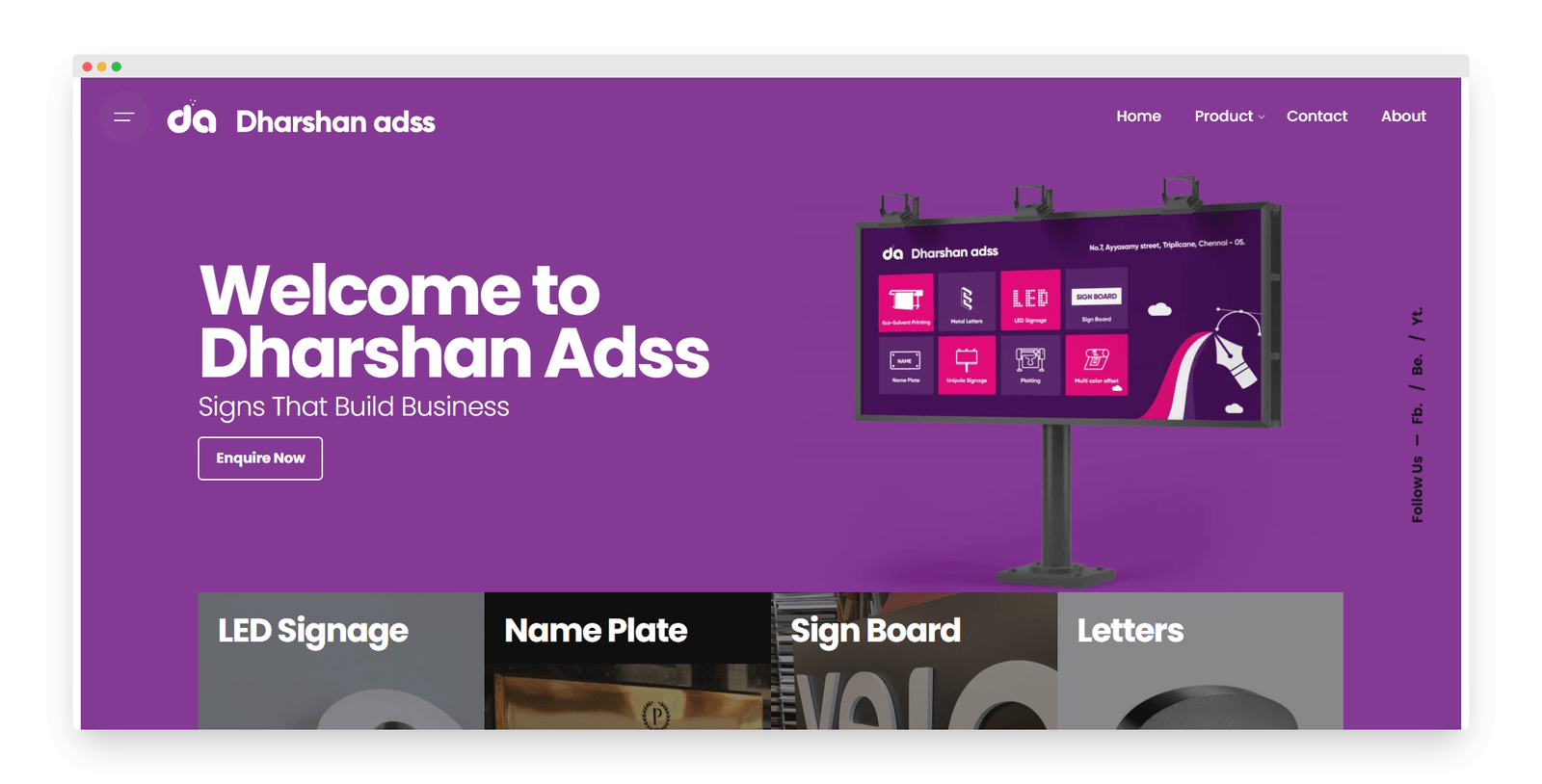
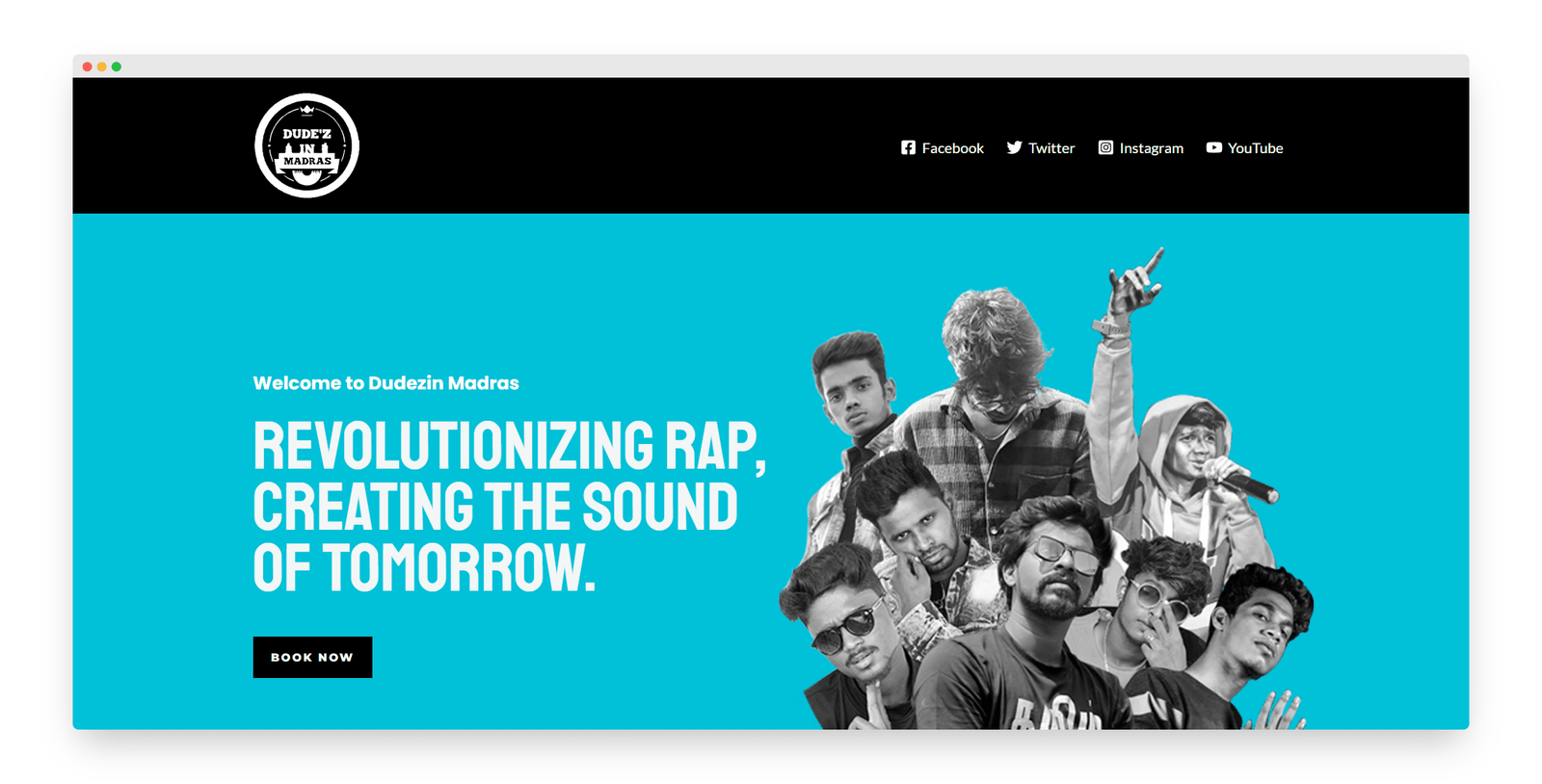
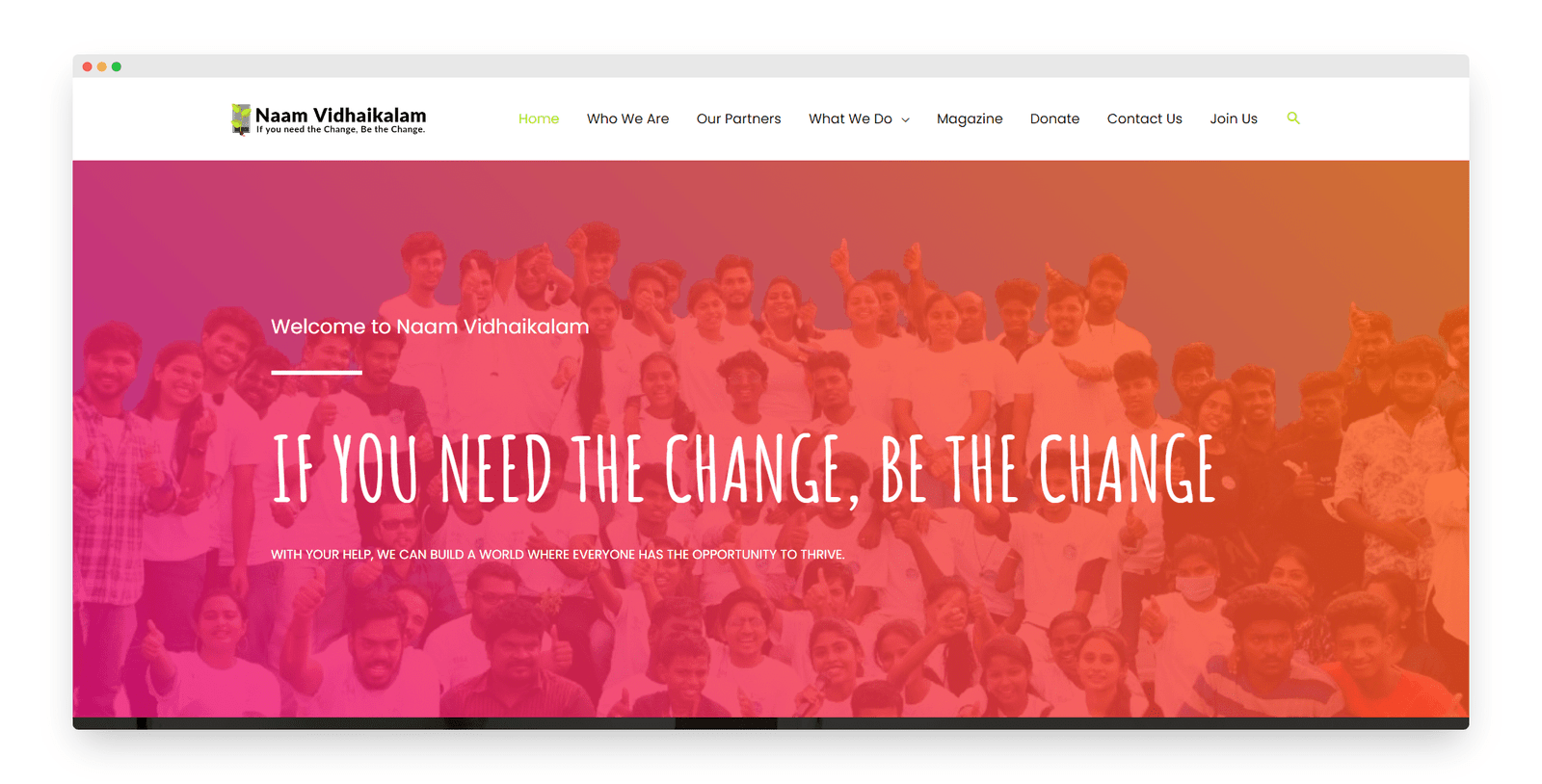
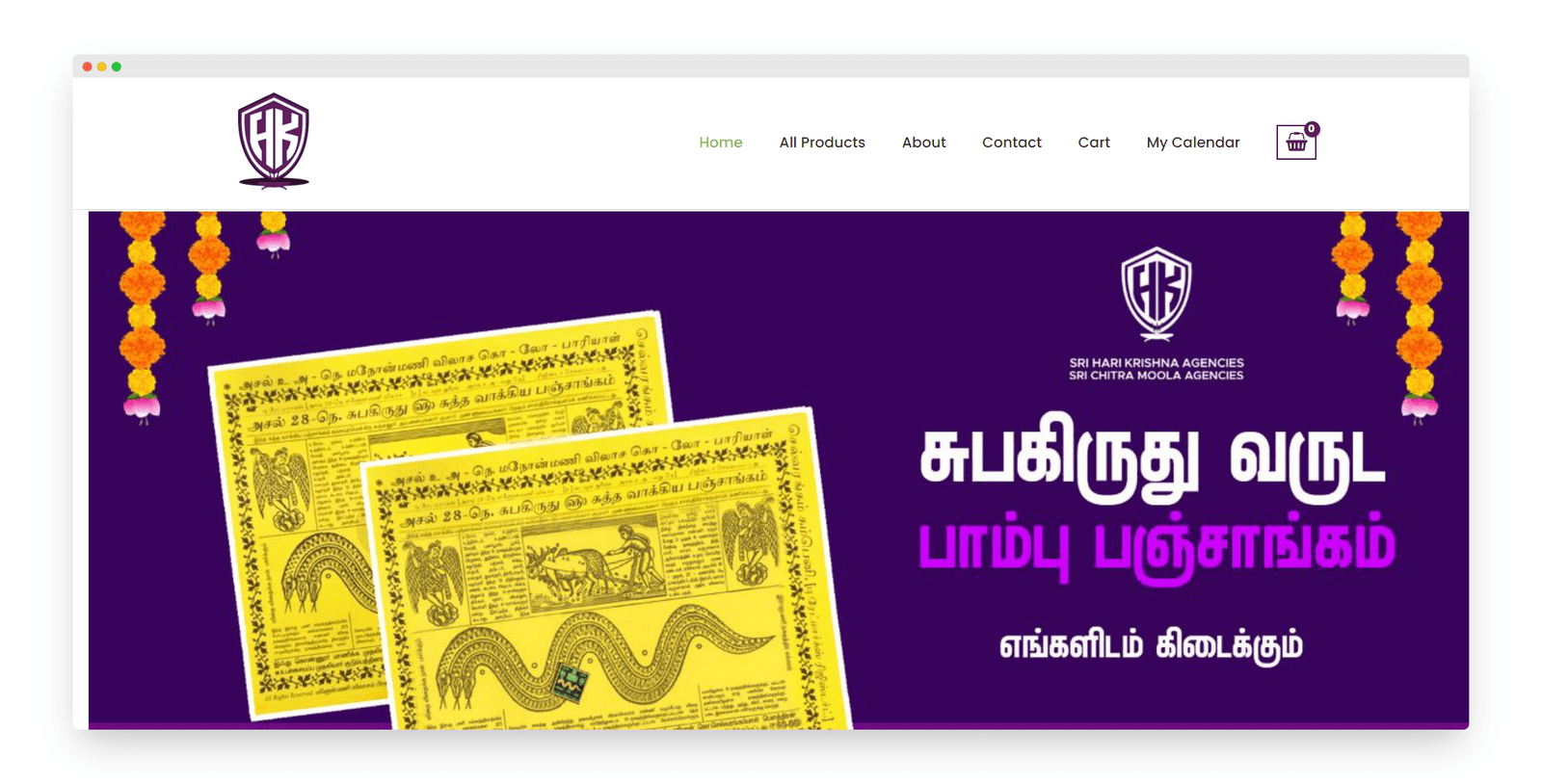
Our impressive portfolio speaks for itself: over 200 websites, 150 mobile apps, and numerous impactful SEO campaigns, all delivered with a focus on security, scalability, and user experience. We are not just building digital assets; we are building trust and resilience for Mahal Santhi Nagar businesses.
Contact Ungal Design today to learn more about how we can help you secure your business, achieve your digital transformation goals, and navigate the complex cybersecurity landscape with confidence. Don’t let cyber threats impede your growth – empower your business with Ungal Design’s unparalleled expertise.
FAQ: Cybersecurity & Data Protection in Mahal Santhi Nagar, Madurai
What is cybersecurity, and why is it important for my business in Mahal Santhi Nagar?
Cybersecurity encompasses the practices, technologies, and processes designed to protect computer systems, networks, programs, and data from unauthorized digital attacks. For businesses in Mahal Santhi Nagar, it is critically important because an increasing reliance on digital platforms exposes sensitive customer data, financial information, and intellectual property to risks like data breaches, ransomware, and fraud. Robust cybersecurity safeguards your reputation, ensures business continuity, maintains customer trust, and helps comply with evolving data protection regulations, which are vital for sustainable growth in Madurai’s economy.
How can I protect my business from cyberattacks in Madurai?
Effective protection involves a multi-layered approach. Key steps include implementing strong security frameworks (like NIST), enforcing data encryption and strict access controls (including Multi-Factor Authentication), conducting regular security audits and vulnerability assessments, and investing in comprehensive employee cybersecurity training. Crucially, developing a robust incident response and disaster recovery plan is essential. For tailored, effective solutions specifically for your business in Mahal Santhi Nagar, partnering with a local cybersecurity expert like Ungal Design is highly recommended, as they understand the regional context and unique challenges.
What are the key benefits of cloud automation for cybersecurity?
Cloud automation significantly enhances cybersecurity by streamlining operations, improving efficiency, and reducing human error. It enables automated security patching, ensuring systems are always up-to-date against known vulnerabilities. Automated configuration management maintains secure baselines through Infrastructure as Code, preventing misconfigurations. Furthermore, automated incident response speeds up threat detection and containment, minimizing damage. Cloud Security Posture Management (CSPM) provides continuous compliance monitoring. These benefits lead to a stronger, more consistent, and scalable security posture for businesses leveraging cloud services in Mahal Santhi Nagar.
What is CI/CD, and how does it relate to cybersecurity (DevSecOps)?
CI/CD (Continuous Integration/Continuous Delivery) is a software development practice that automates the process of building, testing, and deploying software. When combined with security, it forms “DevSecOps” – an approach that “shifts security left” by integrating security checks and practices into every stage of the CI/CD pipeline. This includes automated tools for static code analysis (SAST), dynamic application security testing (DAST), software composition analysis (SCA), and container image scanning. By embedding security early, vulnerabilities are identified and remediated quickly and cost-effectively, resulting in inherently more secure applications for businesses in Mahal Santhi Nagar.
How can Ungal Design help my business with cybersecurity in Mahal Santhi Nagar?
Ungal Design offers a comprehensive suite of cybersecurity services tailored specifically for businesses in Mahal Santhi Nagar, Madurai. We can help you with security posture assessments, framework implementation (NIST, ISO 27001), data protection strategies (encryption, MFA), regular audits, penetration testing, and developing incident response plans. Our expertise extends to secure DevSecOps implementation, leveraging tools like Kubernetes, Jenkins, and Docker, and advanced cloud security automation. We also provide crucial employee training and awareness programs. Our local presence and understanding of the Madurai business environment enable us to deliver highly relevant and impactful security solutions. Contact us today for a free consultation to understand your specific needs.
What is the importance of employee training in cybersecurity?
Employees are often considered the first line of defense against cyberattacks. Even the most sophisticated technological defenses can be bypassed by human error, such as clicking on a phishing link or using weak passwords. Regular, comprehensive employee training and awareness programs are crucial to educate staff about common threats like phishing, social engineering, and malware, and to teach them best practices for data handling, secure browsing, and incident reporting. For Mahal Santhi Nagar businesses, empowering employees with cybersecurity knowledge significantly reduces the risk of successful attacks and fosters a proactive security culture. Ungal Design can design and deliver effective training programs for your team.
Why should a Mahal Santhi Nagar business prioritize cybersecurity despite budget constraints?
While budget constraints are a real concern for many businesses in Mahal Santhi Nagar, prioritizing cybersecurity is a strategic investment rather than an expense. The cost of recovering from a data breach (including financial losses, legal fees, reputational damage, and operational downtime) almost always far exceeds the cost of proactive security measures. A robust cybersecurity strategy protects your assets, ensures customer trust, helps meet compliance requirements, and maintains business continuity, safeguarding your long-term viability and growth. Ungal Design offers scalable and cost-effective solutions designed to provide maximum protection within your budget.
Conclusion
The digital future of Mahal Santhi Nagar, Madurai, is bright, but it is inextricably linked with robust cybersecurity and data protection. For businesses navigating this evolving landscape, a proactive, multi-layered approach to security is not just an advantage – it is an absolute necessity. By implementing strong security frameworks, enforcing stringent data encryption and access controls, conducting regular assessments, and investing in continuous employee training, you build an unshakeable foundation for your digital operations.
Furthermore, embracing modern DevSecOps practices with CI/CD, Kubernetes, Jenkins, and Docker, coupled with intelligent cloud automation for patching, configuration, and incident response, empowers your business to develop securely and operate resiliently in the cloud. These strategies collectively fortify your defenses against the ever-evolving cyber threat landscape.
Ungal Design stands ready as your dedicated partner in this crucial journey. With our deep understanding of the local context in Mahal Santhi Nagar and our extensive expertise in cutting-edge cybersecurity technologies, we offer tailored solutions that empower your business to thrive securely. We are committed to helping you protect your valuable assets, maintain customer trust, and achieve your digital transformation goals without compromising on security.
Don’t wait for a breach to realize the importance of comprehensive cybersecurity. The time to act is now. Invest in your business’s future, protect its digital heart, and partner with the experts who understand your needs.
Contact Ungal Design now for a free consultation and secure your Mahal Santhi Nagar business!
Learn more about our services at https://ungaldesign.com/